Worried about meeting a bear on the trail or the riverbank? Bear safety when hiking and fishing comes down to three habits: make noise, carry bear spray where you can reach it, and give every bear space.
This page sits within the wider topic of outdoor recreation.
| Item | Value |
|---|---|
| Bear spray cloud distance (Parks Canada) | approximately 10 m |
| Can size Parks Canada recommends | 225 ml, 0.75%-1% capsaicin |
| Alberta Parks: use spray when a bear comes within | 4 m (12 ft) |
| Suggested hiking group size | four or more people |
| Reach some brands can manage in good conditions (Alberta Parks) | up to 9 metres |
| Fish stringer, if you must use one | within 12 feet of you, in the water |
Figures come from Parks Canada’s bear spray page and Alberta Parks’ bear guidance. Agencies update their advice, so check the source for your area before you rely on a number.
Why rivers need extra care
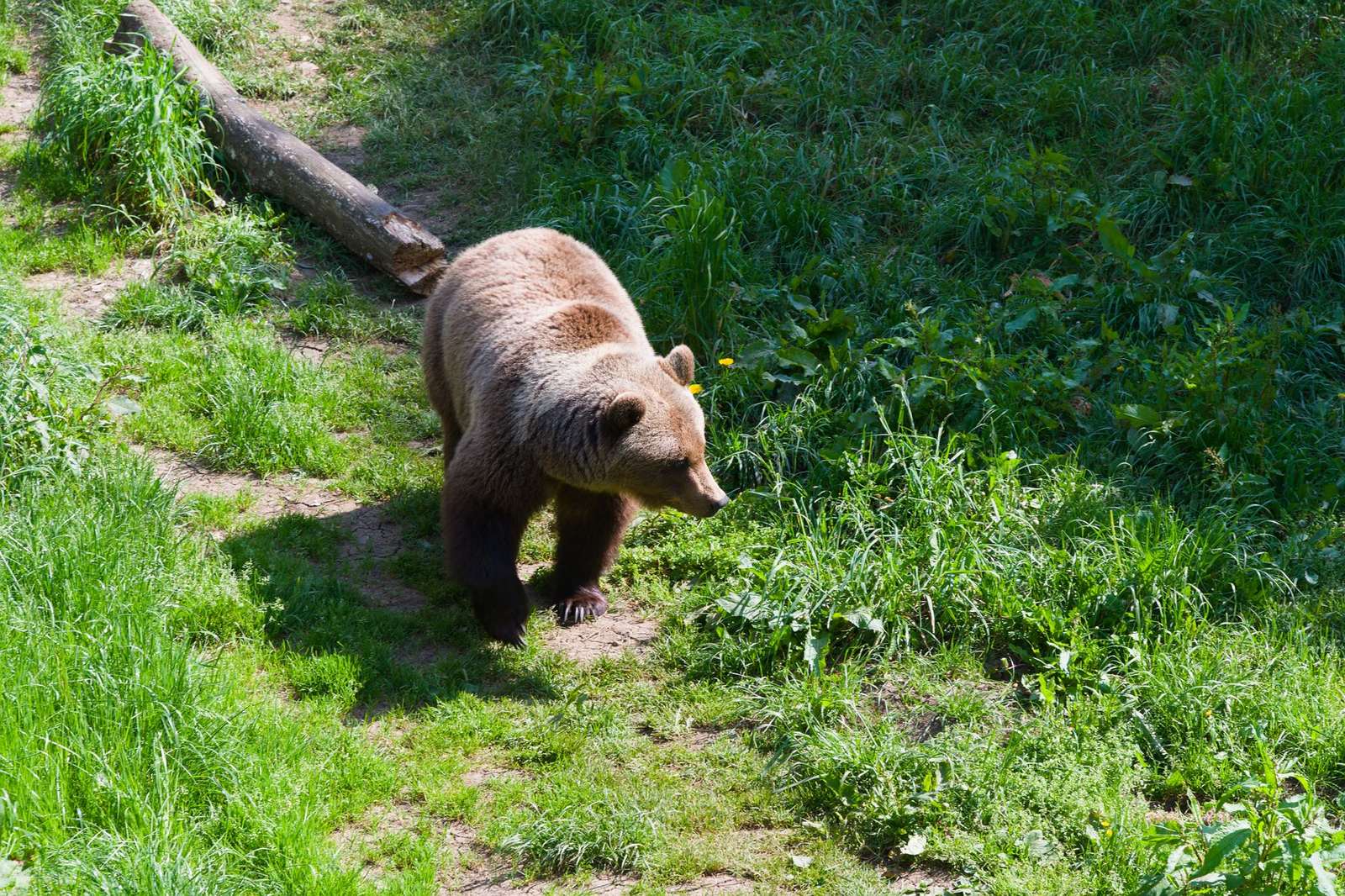
Bears feed, travel and drink along water, so an angler walking a bank is often in the same place a bear wants to be. Parks Canada says that in its mountain parks both grizzly and black bears live there, and that you can meet one on a busy trail near town as easily as in the backcountry.
Moving water is loud, and loud water hides your approach. Parks Canada advises calling out, clapping, singing or talking loudly especially near streams, dense vegetation and berry patches, on windy days and where visibility is low.
Most dangerous encounters begin with surprise. Alberta Parks explains that a defensive bear may be feeding or protecting young, or you may simply have surprised it.
Bear safety when hiking to the water
The walk in is where you can prevent most trouble. These habits come straight from the agency guidance:
- Make noise as you go, and more of it near streams, thick brush and blind corners.
- Hike in a tight group. Parks Canada recommends a group of four or more, since larger groups are less likely to have a serious bear encounter.
- Stay on marked trails and travel in daylight, because bears are more active at dawn and dusk.
- Keep a dog on a leash and under control, or leave it at home. Parks Canada notes that dogs can trigger aggressive behaviour from wildlife.
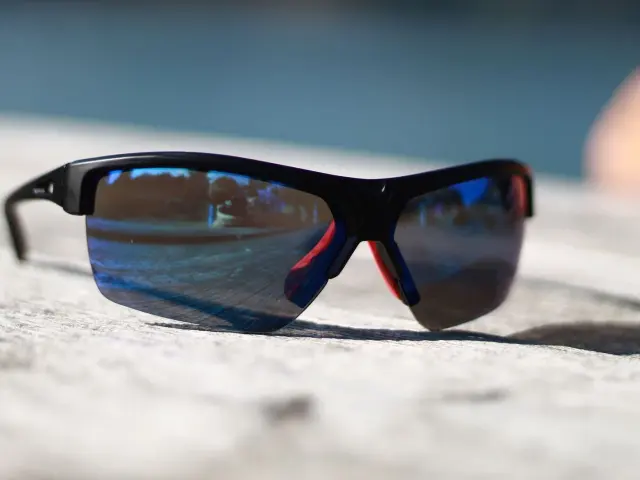
If you use polarized sunglasses for fishing, remember that staring into the water narrows your attention. Look up and scan the banks every few minutes.
Bear spray: choosing it, carrying it, using it
Bear spray only helps if it is in reach. Parks Canada says that having it in your pack is a no-no, because a surprise encounter can happen in seconds. Carry it in a holster you can reach easily with your dominant hand, which for an angler means on a belt or chest strap, not buried in a vest pocket behind your fly boxes.
Buying checklist, based on Parks Canada’s advice:
- Check the expiry date, and do not use cans that are expired or close to it.
- Look for a safety clip.
- Choose a 225 ml can with 0.75%-1% capsaicin, which Parks Canada recommends.
The cloud’s reach is shorter than many people hope. Parks Canada says the canister releases a cone-shaped cloud to approximately 10 m, but that the bear has to be at close range, less than a bus length, for the spray to be effective. Alberta Parks says some brands work up to 9 metres depending on wind and weather, and tells you to use the spray if a bear comes within 4 metres. Read your own can’s label, since brands differ.
To use it, remove the safety clip and aim for the bear’s face, with the nozzle pointing away from you. Wind or rain may reduce the spray’s effectiveness, and you should be careful not to stand in its path.
Fishing in bear country
Fishing adds a problem hiking does not: splashing fish. Alaska’s Department of Fish and Game says splashing fish attract bears, and that if a bear is near enough to notice splashing you should stop fishing. If a bear approaches while you have a fish on, give it slack or cut the line to eliminate splashing.
Handling the catch matters just as much:
- Kill and bleed a fish right away, in the water.
- If you must use a stringer, keep it in the water and within 12 feet of you at all times.
- Cut filleted carcasses into smaller pieces that the current can carry off.
- Do not leave food, packs, garbage, fish or fish waste where a bear can find it easily.
Parks Canada’s advice on offal is similar: dispose of it in fast-moving streams or the deep part of a lake, never along stream sides or lake shores. Packing out the rest of your rubbish fits with the leave no trace principles too, and it keeps bears from learning that anglers mean food.
Some places set hard limits. The National Park Service says people at Katmai are prohibited from approaching bears within 50 yards, or remaining within 50 yards of a bear using a concentrated food source such as spawning salmon. It also suggests fishing when bears are not at peak numbers. Local rules differ, so read the regulations for the water you plan to fish.
If a bear appears
Your first move is to stop and stay calm. Giving bears space is one of the most important guidelines, and many close encounters can be avoided if you move out of a bear’s line of travel before it is close.
- Stop, stay calm, and get your bear spray in your hand.
- Back away slowly. Never run, because running may trigger a pursuit.
- If it keeps coming and reaches the distance on your can’s label, use the spray.
If a bear makes contact, Alberta Parks says to play dead: lie on your stomach, legs spread apart, hands interlaced behind your neck. It adds that screams or sudden movements may trigger an attack, and that defensive attacks, the most common kind, usually do not exceed two minutes. Guidance differs between agencies and bear species, so read the advice for your region before you go.
Frequently asked questions
Is bear spray enough on its own?
Show answer
No. It is a last resort for a bear that is close and approaching. Noise, group travel and clean fish handling reduce the chance you ever need it.
Should I keep fishing if a bear is nearby?
Show answer
Not if the bear can notice splashing. Alaska’s Department of Fish and Game says to stop fishing, and to give slack or cut the line if you have a fish on.
Where should I carry bear spray while fishing?
Show answer
In a holster you can reach quickly with your dominant hand. Parks Canada says a pack is the wrong place, because encounters can happen in seconds.
Can I clean my fish at the riverbank?
Show answer
Follow the rules for your water. Parks Canada says to dispose of offal in fast-moving streams or the deep part of a lake, never along stream sides or lake shores.