Heading out and worried about what could go wrong? Safe outdoor recreation comes down to planning, telling someone your route, carrying a few basics and respecting wildlife. Start with the key figures below.
| Item | Value |
|---|---|
| Minimum distance to keep from a bear | At least 100 metres |
| Distance of cooking and food storage from your tent | At least 100 metres |
| Food hang height between two trees | At least 4 metres above the ground |
| Lightning: take shelter if the flash-to-thunder count is | Fewer than five seconds |
| Wait after the last thunder or lightning before leaving shelter | Thirty minutes |
| Typical length of a defensive bear attack | Generally less than two minutes |
These figures come from Parks Canada’s Nahanni bear safety guide and the Canada Safety Council. Guidance can change, so check the source before you rely on the figures.
Start with the plan, not the gear
Outdoor recreation covers everything from a short riverside walk to a long backcountry trip. The habits that keep you safe are much the same across all of it. If your days revolve around a rod, the fly fishing hub covers the craft, and this page covers the safety and gear habits that sit underneath it.
Anglers planning trips further afield can read about fishing in canada for the wider picture. Wherever you go, the same planning questions apply.
In a March 30, 2015 Outdoor Canada piece, the writer noted that survival experts agree the most important safety equipment you carry is between your ears. The Canada Safety Council makes the same point by asking you to imagine your conditions first: even on a short trip, you might need to spend the night, and the weather could deteriorate.
A simple routine before every outing:
- Find out about the area you plan to explore, bring a good map and check the weather forecast.
- Tell others your intended route and timetable.
- Never travel alone, and always stay with your group.
- Wear the proper clothes and footwear, and bring enough water and food.
Telling someone your plan is the step that matters most if something goes wrong. It is also the cheapest step on the list.
Gear basics: what to carry
No gear list fits every trip, and the Canada Safety Council says that no single list covers every circumstance. It does recommend that anyone venturing into the wilderness, on foot, by water or on an ATV, invest in a wilderness survival kit. Kits come in different levels, from day hiker to veteran adventurer.
The Council’s own suggestions give you a solid core:
- A map, a GPS and a mobile phone, so you can find your way out and usually call for help.
- A waterproof reflective survival blanket, which it describes as cheap, reusable, highly functional and very small in a pack.
- A whistle, so you can let others know your location.
- A flashlight, in case you are still on the trail when the sun goes down.
- Something to protect you from cold, rain or wind.
- Bear spray if you are in bear country, which Parks Canada recommends carrying at all times on the trail.
Do not treat electronics as a guarantee. The Outdoor Canada piece warns that cell phones and GPS units can give a false sense of security, because such devices can fail and service is spotty in much of the Canadian backcountry. A paper map and a whistle do not need a signal or a battery.
Gear only helps if you know how to use it. Read the manufacturer’s instructions for anything like bear spray, and keep it readily accessible rather than buried in your pack.
Clothing, footwear and water
The Canada Safety Council’s advice is short: wear the proper clothes and footwear, and take something to protect you from cold, rain or wind on any hike. For a full system, read how to layer clothing for outdoor activities, which is covered in the guide on how to layer clothing for outdoor activities.
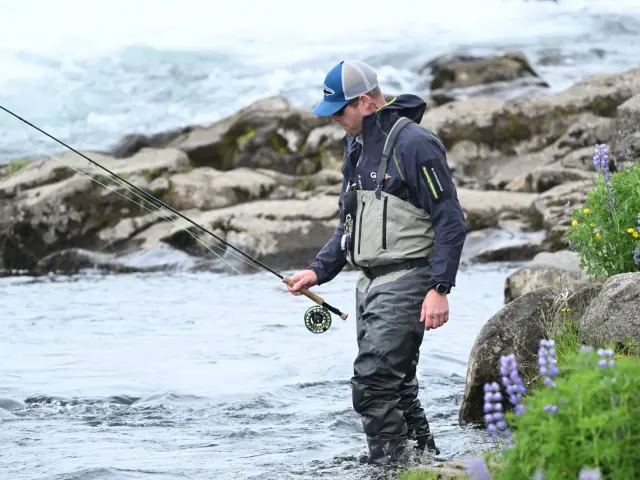
Footwear matters most when the ground is wet. If you fish on rivers, the guide on how to choose wading boots walks through the decision.
Water adds its own risks. Outdoor Canada advises you to mind the weather and the water temperature, and to be ready for surprise storms and for the chance of falling in. When wading or fording a river, plan your route and devise an escape plan should you fall.
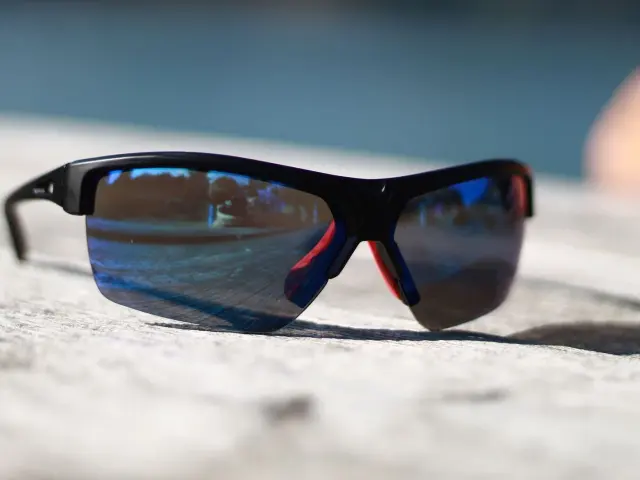
For a closer look at current and footing, see the guide to river wading safety. Eye protection on the water has its own page too, and the guide to polarized sunglasses for fishing covers it.
Bear country basics
Parks Canada says bear attacks are uncommon and that wild animals generally prefer to avoid people. Most encounters happen when a bear’s natural avoidance turns to aggression. The usual triggers are surprising the bear, protecting young or food, following food odours to you, a dog provoking it, or a bear that has lost its natural fear of people.
The best defence is avoiding contact in the first place. These habits come straight from Parks Canada’s guidance:
- Travel in a group if possible and never let children wander.
- Make noise by calling out, clapping or talking loudly, especially near streams, dense vegetation and berry patches, on windy days and where visibility is low.
- Watch for fresh bear sign such as tracks, droppings, diggings, torn-up logs and turned-over rocks, and leave the area if the signs are fresh.
- Never approach a bear, and keep a distance of at least 100 metres.
- Keep your dog on a leash at all times or leave it at home.
- Store food, garbage and food-related items in bear-resistant containers, day and night.
Parks Canada also notes that some research shows bear bells are not enough, so use your voice. The guide on bear safety when hiking and fishing goes deeper on trail and riverbank habits.
Bear spray helps, but conditions matter. Parks Canada says wind, spray distance, rain, freezing temperatures and product shelf life can all influence its effectiveness.
If you meet a bear
Stay calm, stand your ground and avoid screams or sudden movements. Speak to the bear calmly and firmly so it knows you are human, and get your bear spray ready. Then back away slowly when the bear is stationary, and never run, because running may trigger a pursuit and bears can run as fast as a racehorse.
Parks Canada describes two kinds of attack. In a defensive attack, the bear sees you as a threat, so use bear spray and, if it makes contact, play dead on your stomach with your hands crossed behind your neck. These attacks are generally less than two minutes long.
A predatory attack, where a bear stalks you or attacks at night, calls for the opposite response. Try to escape into a building, car or tree. If you cannot, use bear spray and fight back. Parks Canada’s bottom line is that it is very difficult to predict the best strategy, which is why avoiding an encounter matters most.
Camping, fish and leave no trace
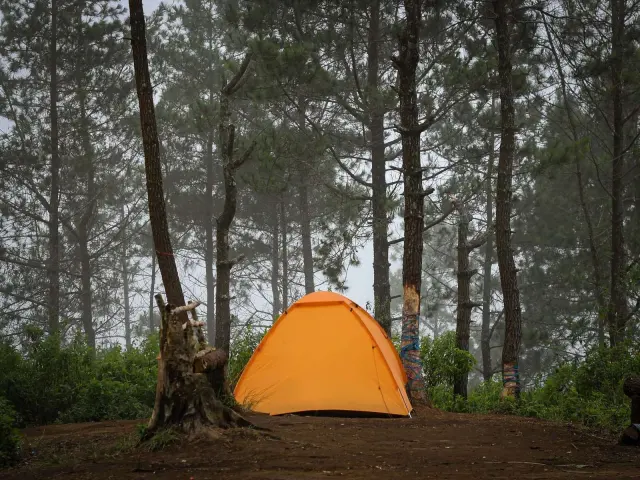
Parks Canada’s backcountry advice has two goals: limit your impact by avoiding encounters, and manage your food, food smells and garbage. Camp in designated areas where they are provided. Avoid camping near running water, thick brush, animal trails or berry patches.
- Set up cooking, eating and food storage areas at least 100 metres from your tent, and consider wind direction.
- Keep sleeping bags, tents and sleeping clothes free of food, food odours and beverages.
- Hang food between two trees at least 4 metres above the ground and 1.3 metres from top and side supports.
- Dump dishwater in designated areas or at least 100 metres from your sleeping area.
The same guidance says food canisters are mandatory in some northern national parks for overnight backcountry trips. Check the rules for the park you plan to visit before you pack.
Parks Canada also says to pack out garbage rather than burn or bury it. That fits neatly with the leave no trace principles, which cover the wider habits of leaving a place as you found it.
If you fish, bears add one more rule: dispose of fish offal in fast-moving streams or the deep part of a lake, never along stream sides or lake shores. For handling the fish themselves, the guide with catch and release fishing tips is the place to start.
Weather and when things go wrong
The Canada Safety Council advises postponing your trip if storms are in the forecast. If you are caught out, take shelter when you see dark storm clouds gathering, feel the wind or hear thunder in the distance, but not under a tree. When lightning strikes a tree, electricity runs down the trunk and through the roots into the ground.
To judge distance, count the seconds between the flash and the thunderclap. If you count fewer than five seconds, take shelter immediately. A house, a large building or a car is best, and it is usually safe to come out after there has been no thunder or lightning for thirty minutes.
If you are lost or need help, the Council’s advice is to stop, because staying in one place makes you easier to find. In case of serious injury, build a shelter and wait for rescuers, since moving an injured person may lead to exhaustion or further injury. If you signal, move to higher ground.
Children need a plan too. The Council suggests telling them to choose a tree near a clearing and stay there, to yell at noises that scare them, and that no one will be angry if they get lost.
Frequently asked questions
What is the single most useful safety habit for outdoor recreation?
Show answer
Tell someone your intended route and timetable before you leave. The Canada Safety Council also advises never travelling alone and staying with your group.
Can I rely on my phone or GPS for rescue?
Show answer
Not alone. Outdoor Canada warns that such devices can fail and that service is spotty in much of the Canadian backcountry, so carry a map and a whistle as well.
Should I run if I meet a bear?
Show answer
No. Parks Canada says to back away slowly when the bear is stationary and never run, because running may trigger a pursuit.
What should I do if I get lost?
Show answer
Stop and stay in one place, because that makes you easier to find. The Canada Safety Council suggests a whistle, a survival blanket and a flashlight to help rescuers locate you.