Wondering how the leave no trace principles apply when you’re standing in a river with a rod? They come down to seven habits: plan ahead, use durable surfaces, pack out waste, leave things as found, mind fire, respect wildlife and share the space.
This guide is part of a wider look at outdoor recreation, and it translates each principle into what happens on the bank, the trail and the campsite.
| Item | Value |
|---|---|
| Number of Leave No Trace principles | Seven |
| When the principles were first developed | 1994, by backpackers |
| Camping distance from lakes and streams | At least 200 feet |
| Cathole depth for human waste | 6 to 8 inches, at least 200 feet from water, camp and trails |
| Time for monofilament fishing line to break down | More than 600 years |
The figures come from the U.S. National Park Service summary of the principles and an Outdoor Canada article. They can change, and local rules differ, so check the sources and the land manager before you rely on them.
Why the leave no trace principles matter on the water
Anglers sometimes assume Leave No Trace is a backpacker’s code that has little to do with them. A writer in Outdoor Canada argues the opposite, saying that anglers and hunters can dismiss the guidelines because they are often summed up as “take only pictures and leave only footprints”.
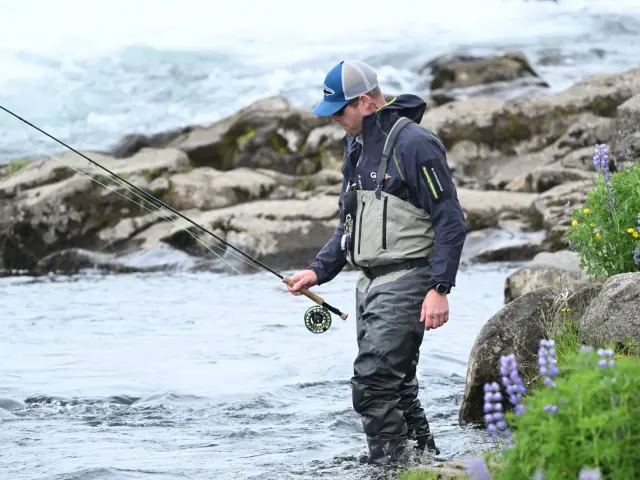
The same piece describes wading a British Columbia river after trout and finding tangles of fishing line, campfire scars and snack bar wrappers. It also says you are probably already following most, if not all, of the principles. The job is to close the gaps.
The seven principles, as listed in that October 2025 article, are:
- Plan and prepare
- Travel and camp on durable surfaces
- Dispose of waste properly
- Leave what you find
- Minimize campfire impacts
- Respect wildlife
- Be considerate of others
The article says the guidelines were first developed by backpackers in 1994 and have not changed since. It adds that everyone from birdwatchers to dirt bikers follows them.
Plan ahead and stay on durable ground
The National Park Service summary tells visitors to know the regulations and special concerns for the area they will visit. For anglers that includes licence and gear rules, access closures and fire restrictions. Check them before you leave, not at the trailhead.
The same summary says to prepare for extreme weather, hazards and emergencies, and to visit in small groups when possible. A small group is easier on a quiet pool and on the path that leads to it.
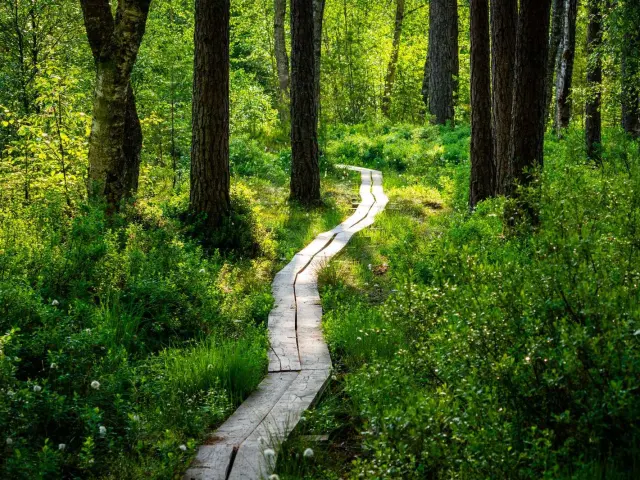
Durable surfaces, according to the Park Service, include maintained trails and designated campsites, rock, gravel, sand, dry grasses or snow. Streambanks are the soft spot for anglers. Where you can, walk on gravel bars, rock or established paths to the water rather than trampling vegetation along the edge.
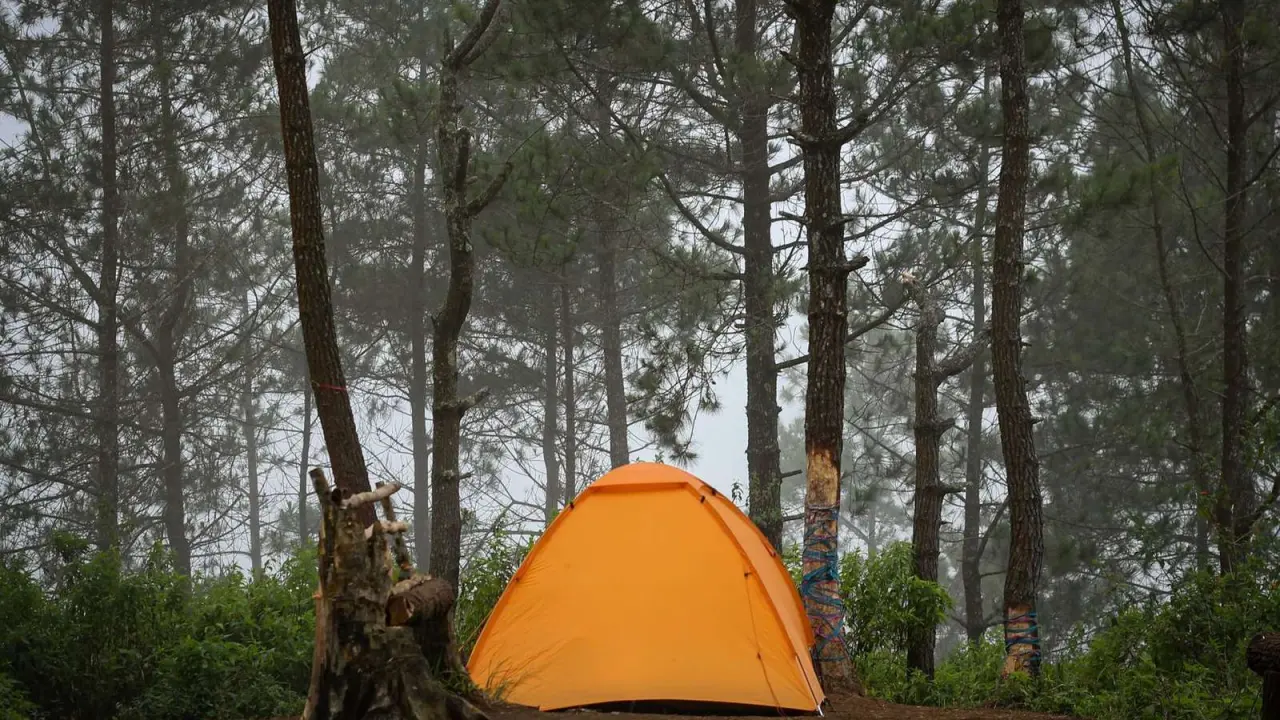
If you camp, the summary says to protect riparian areas by camping at least 200 feet from lakes and streams. It also says good campsites are found, not made, so keep them small and don’t build structures, furniture or trenches.
Dispose of waste properly and leave what you find
The Park Service’s rule is short: pack it in, pack it out. That means all trash, leftover food and litter, plus toilet paper and hygiene products.
Fishing adds its own litter. Old line is the obvious example. Outdoor Canada says monofilament fishing line can take more than 600 years to break down, while a banana peel takes two years in the same climate.
A few habits cover most of the problem:
- Cut off and pocket frayed tippet, leader and line ends instead of dropping them.
- Carry a small bag for wrappers, bait packaging and broken tackle.
- Look over your spot before you leave, including the grass behind you.
On fish waste, the same Outdoor Canada article says to take your fish guts home or dump them where they won’t attract wildlife or stink up a popular recreational area. Rules on this vary by place, so follow local regulations. If you release your catch, the catch and release fishing tips guide covers handling.
For human waste, the Park Service advises catholes dug 6 to 8 inches deep, at least 200 feet from water, camp and trails, then covered and disguised. For washing, carry water 200 feet away from streams or lakes and use small amounts of biodegradable soap.
“Leave what you find” is the simplest to follow. The Park Service says to leave rocks, plants and other natural objects as you find them, and to examine and photograph cultural or historic structures and artifacts without touching them. That includes streamside stones you might be tempted to move.
Fire, wildlife and other visitors
The Park Service notes that campfires can cause lasting impacts to the environment. Its alternatives are a lightweight stove for cooking and a candle lantern for light.
Where fires are permitted, it says to use established fire rings, fire pans or mound fires. Burn all wood and coals to ash, put out the fire completely, then scatter cool ashes.
On wildlife, the summary says to observe wildlife from a distance and never feed animals. It also says to control pets at all times, or leave them at home, and to avoid wildlife during sensitive times: mating, nesting, raising young, or winter. Fish, birds and mammals along a river are all affected by those seasons.
Where bears are present, food storage and distance matter even more, and the guide on bear safety when hiking and fishing goes into that detail.
The final principle is about people. The Park Service asks visitors to respect others and protect the quality of their experience: be courteous, let nature’s sounds prevail, and avoid loud voices and noises. On a shared river, that also means giving other anglers room instead of crowding into the pool they are working.
Putting it together on a fishing day
The principles work best as a routine rather than a list you recall at the end of the day. A simple sequence helps.
- Before you go, read the rules for the water and the access, and check weather and fire restrictions.
- Pack a trash bag, a spare bag for line and tackle scraps, and a stove if you plan to cook.
- Use established paths and hard ground to reach the water.
- Keep your distance from wildlife, keep voices low and leave room for others.
- Before you leave, scan the bank for line, wrappers and anything that was not there when you arrived.
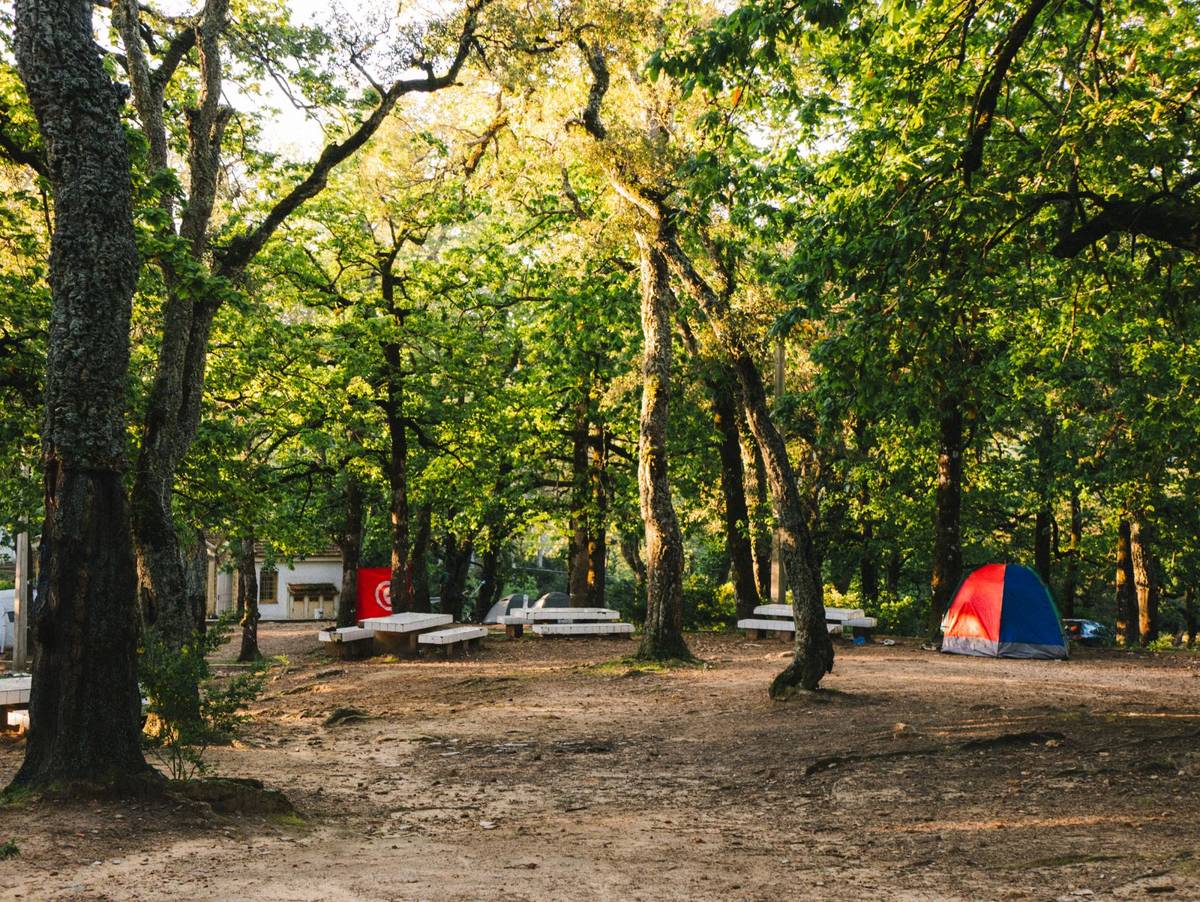
None of this takes much extra time. As the Outdoor Canada writer says, you are probably doing most of it already.
Frequently asked questions
Do the leave no trace principles apply to fishing?
Show answer
Yes. They are written for everyone who spends time outdoors, and an Outdoor Canada writer argues that anglers and hunters should treat them as central to their pursuits. Line, tackle scraps, fish waste and streamside camping are the angling-specific areas to watch.
What are the seven principles?
Show answer
Plan and prepare; travel and camp on durable surfaces; dispose of waste properly; leave what you find; minimize campfire impacts; respect wildlife; and be considerate of others.
How far from water should I camp?
Show answer
The National Park Service summary says to camp at least 200 feet from lakes and streams to protect riparian areas. Your local land manager may set its own distance, so check the rules for your area.
What should I do with old fishing line?
Show answer
Pack it out. Outdoor Canada says monofilament can take more than 600 years to break down, so a pocket or small bag for line scraps is worth carrying.