Planning steelhead fishing in BC? Expect sea-run rainbow trout that return to rivers from summer through spring, strict wild-fish release rules, and several famous runs now in trouble. Here’s how the life cycle, runs and rivers fit together.
This guide is part of the broader look at fishing in canada.
| Item | Value |
|---|---|
| Steelhead conservation stamp (resident / non-resident) | $28.57 / $68.57 |
| Annual province-wide hatchery steelhead quota | 10 fish |
| Wild steelhead | All must be released |
| Steelhead stamp validity | April 1 to March 31 |
| Thompson River run, historic range | Roughly 1,000 to 3,000 fish |
| Predicted Thompson River spawners, 2025 | Fewer than 19 fish |
Stamp fees, quotas and validity come from the BC government’s conservation surcharges page, and the Thompson figures from a Watershed Watch report. Figures can change, so check the sources before you rely on them.
How the steelhead life cycle works
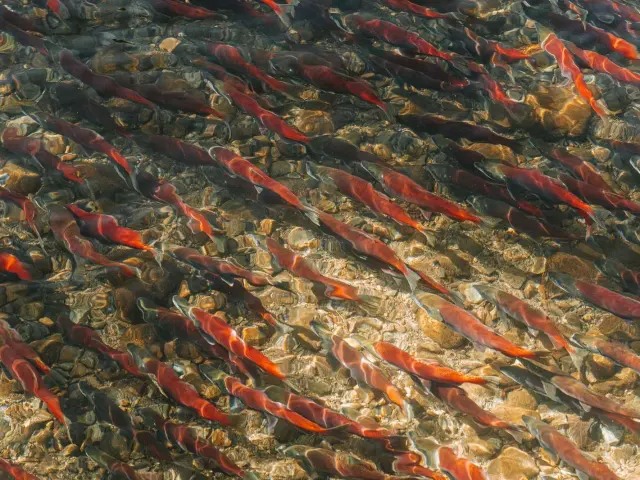
A steelhead is the sea-going form of the rainbow trout. According to Wikipedia’s steelhead entry, steelhead migrate to the ocean and return to freshwater tributaries to spawn, whereas non-anadromous rainbow trout do not leave fresh water. The two forms are the same species, so a rainbow in a creek and a chrome fish from the ocean are close relatives.
The cycle runs in a loop:
- Adults spawn in fresh water.
- Young fish grow in the river, then the smolts migrate to the ocean and feed there for several years.
- Adults return to their natal streams to spawn.
That sequence is described in the same Wikipedia entry. In the wild, steelhead usually live four to six years and spawn multiple times.
Repeat spawning is what separates steelhead from most Pacific salmon. The entry describes steelhead as iteroparous, although survival is only approximately 10-20%. If you want to compare them with the fish that die after spawning, the guide to pacific salmon species covers the main differences.
Summer-run and winter-run steelhead
Anglers usually talk about summer-run and winter-run steelhead, meaning the season when fish are best targeted in a given river. Timing varies from river to river, so treat any calendar as a guide rather than a promise.
A June 2026 guide from Loop Tackle gives a sense of the windows anglers work with:
- Skeena system: best known for summer-to-fall runs, with August to October the peak time for fishing.
- Vedder River: a favourite winter option that fishes from December to May.
- Vancouver Island: best winter runs come between January and March, although steelhead can be caught a month on either side of that peak.
The same guide notes that some Vancouver Island rivers host both winter-run “unicorns” and summer steelhead. It is one of the sources used here for regional timing, and it is a retailer’s article, so cross-check dates against official regional regulations.
Where the main BC steelhead rivers are
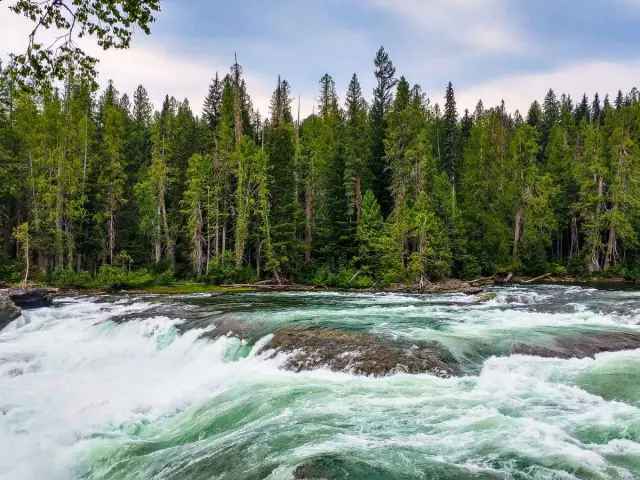
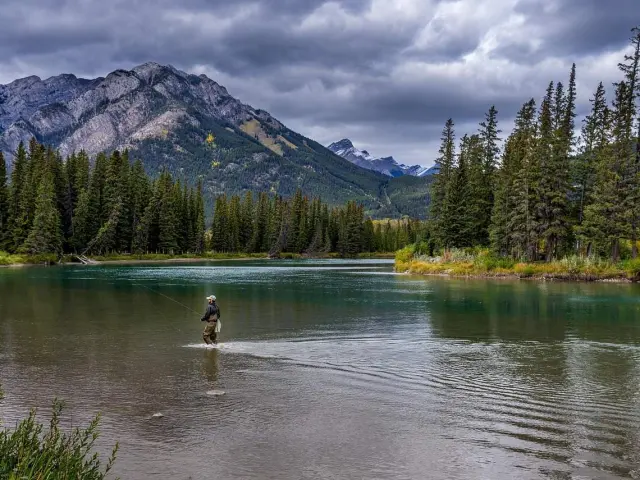
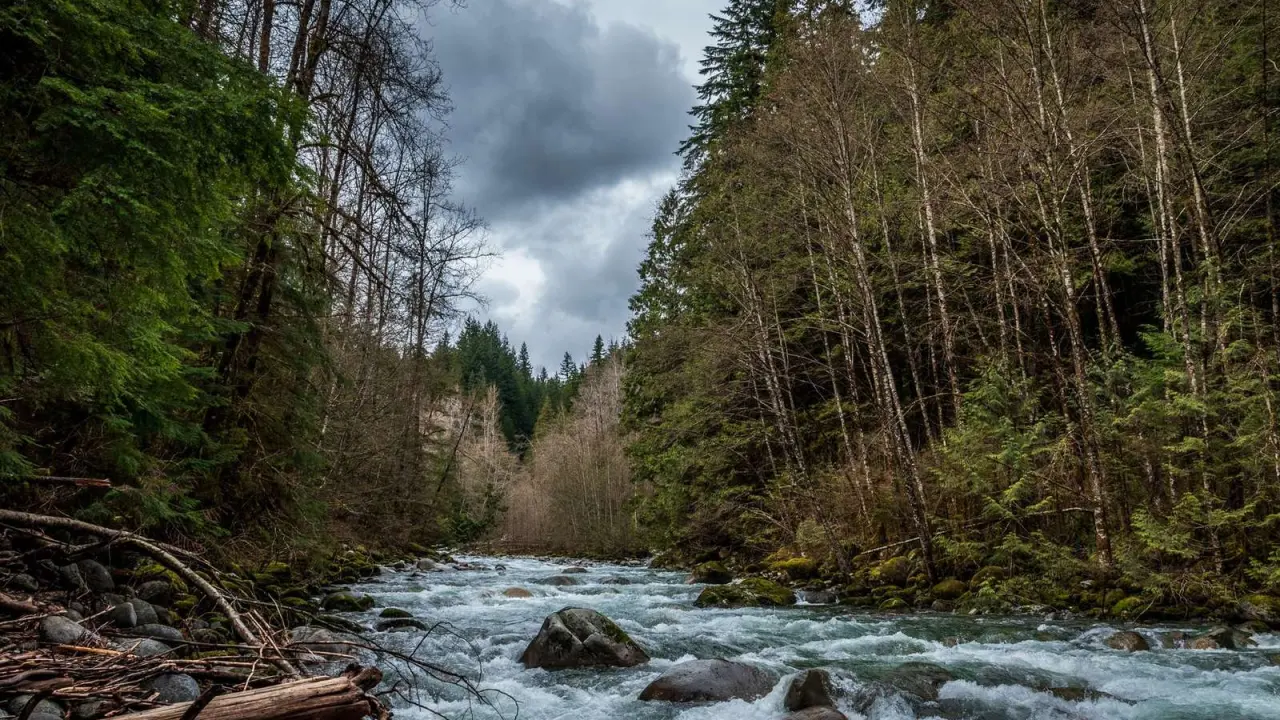
BC’s steelhead water spans the province, from the Skeena system in the north to Vancouver Island and the Lower Mainland in the south. The Loop Tackle guide also singles out the Dean River for its pristine summer fish.
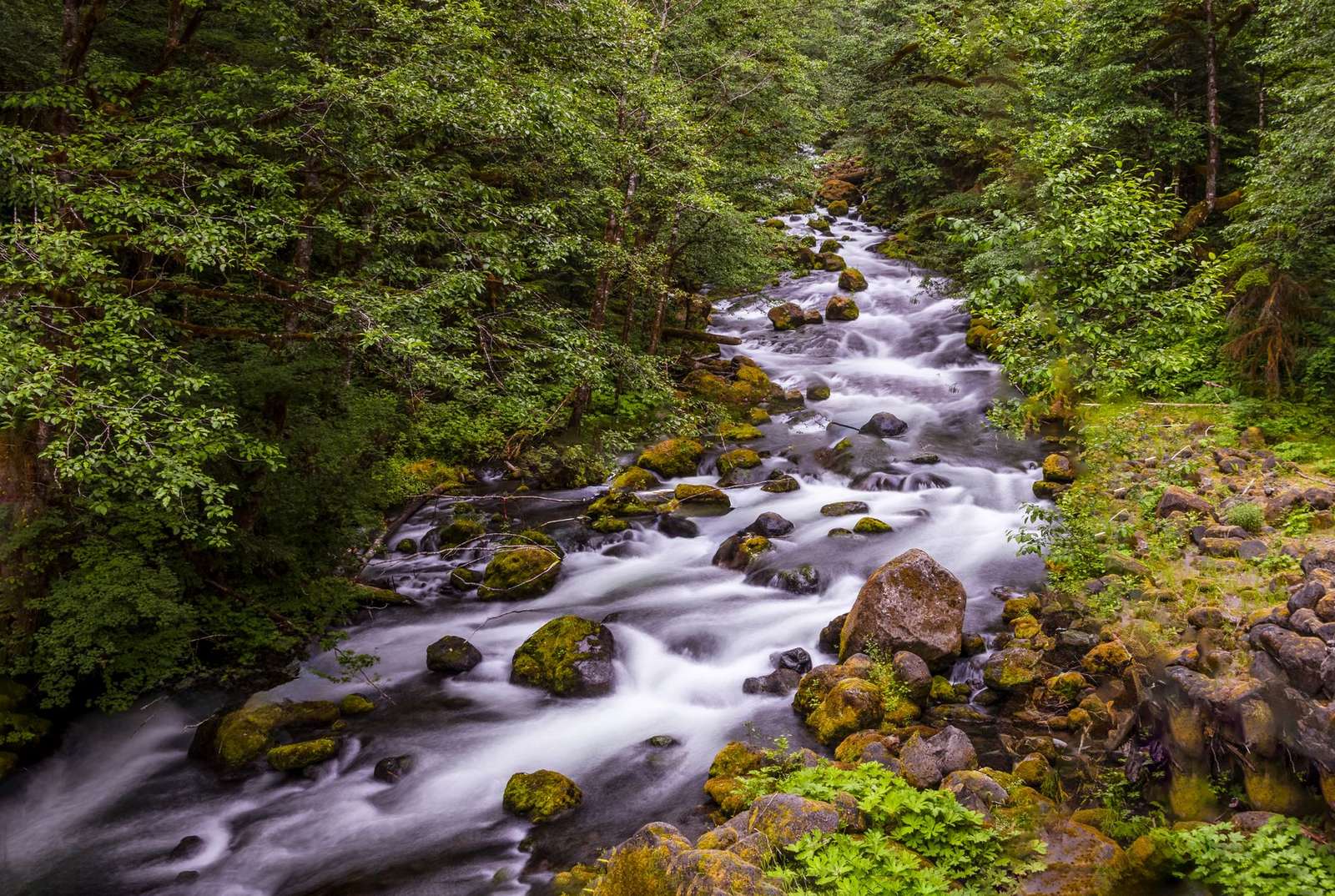
An older Outdoor Canada guide from November 2012 lists several famous waters, so check that they are still open before planning a trip:
- Chilliwack (Vedder): the Lower Mainland river it called the province’s most heavily pressured yet productive winter steelhead water.
- Thompson: an 18-kilometre stretch from Rock Run to Big Horn Pool that it called legendary among steelhead anglers.
- Skeena: a system with 30 tributaries, including the Babine, Kispiox, Bulkley, Morice, Kalum and Copper.
That Thompson entry, from Outdoor Canada’s winter steelhead guide, has dated badly. A June 2026 Loop Tackle guide says the historic Thompson fishery is now largely closed due to critical population declines.
Why many BC steelhead runs are struggling
The Thompson is the clearest warning. Watershed Watch says the Thompson run used to fluctuate between roughly 1,000 and 3,000 fish, started struggling in the late 2000s, and has been in the B.C. government’s “extreme conservation concern” zone since 2016. In a November 19, 2025 email, a provincial biologist said spawners were predicted to be fewer than 19 fish.
The same Watershed Watch report quotes provincial biologists saying zero steelhead were captured that year in test fisheries, the lowest result in over 40 years of those operations. Experts cite combinations of bycatch in net fisheries targeting chum salmon, poor ocean and freshwater conditions, and predation by seals and sea lions. The causes are debated, and no single one is agreed on.
The north is under pressure too. A 2023 West Coast NOW article reported that Skeena steelhead returns in 2022 hit their lowest in 66 years of measuring, falling from an average of 25,000 to 45,000 fish to just 5,280. A conservation group director quoted there called climate change the biggest factor affecting steelhead and salmon.
Rules to know before you fish
Start with the basics: a freshwater licence is the foundation, and the guide to the british columbia fishing licence explains how it works. On top of that, the province’s conservation surcharges page says a steelhead stamp is mandatory on most classified waters during certain specified periods, even when you fish for other species.
- Stamp validity: stamps are valid for the licence year, April 1 to March 31, starting on the date purchased.
- Wild fish: all wild steelhead must be released.
- Hatchery fish: the annual province-wide quota is 10, and each kept fish must be recorded on the back of your angling licence.
Loop Tackle adds that classified waters need an additional licence during specific periods, and that out-of-province anglers cannot fish them on weekends. Rules differ by river and change by season, so read the latest regional regulations first. This site is independent and cannot answer licensing questions or issue anything.
Frequently asked questions
Is a steelhead the same as a rainbow trout?
Show answer
They are the same species. Steelhead migrate to the ocean and return to fresh water to spawn, while non-anadromous rainbow trout stay in fresh water.
Can steelhead spawn more than once?
Show answer
Yes. Steelhead are iteroparous, unlike most Pacific salmon, although only roughly 10-20% survive to do so, according to Wikipedia’s steelhead entry.
When is the best time for steelhead fishing in BC?
Show answer
It depends on the river. Per Loop Tackle’s June 2026 guide, the Skeena peaks from August to October, Vancouver Island’s winter runs peak from January to March, and the Vedder fishes from December to May.
Can I keep a steelhead in BC?
Show answer
All wild steelhead must be released, per the province’s conservation surcharges page. The annual province-wide hatchery quota is 10, and kept fish must be recorded on your licence.
Is the Thompson River still open for steelhead?
Show answer
Mostly not, according to one June 2026 guide, which ties the closure to critical population declines. Check the official regulations for the latest status before travelling.