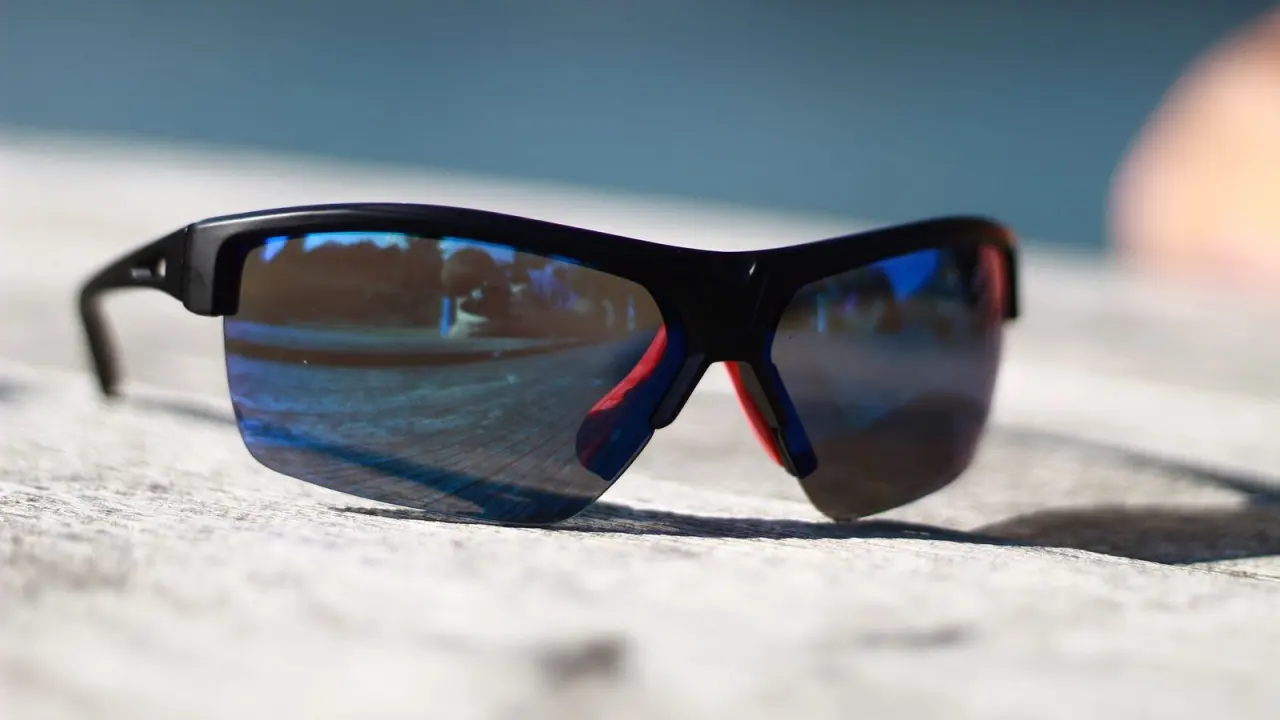
Glare off the water can hide the very fish you are hunting. Polarized sunglasses for fishing cut that reflected glare, so you can see into the water more clearly. They will not guarantee a sighting, and they are not automatic UV protection.
This guide is part of the site’s coverage of outdoor recreation, and it covers what the lenses do, which tint suits which water, and what to check before you buy.
| Item | Key fact |
|---|---|
| What polarization cuts | Reflected glare from smooth surfaces such as water |
| Glare removed by good fishing polarized lenses (one retailer’s estimate) | About three-quarters |
| UV blocking to look for on the label | 99 percent or 100 percent of all UV light, or “UV absorption up to 400nm” |
| Brown or copper lenses | Normal conditions on the flats |
| Amber or yellow lenses | Cloudy, overcast conditions |
| Gray lenses | Deep offshore waters and deep lakes |
These figures come from the American Academy of Ophthalmology and an Orvis UK buying guide. Product specifications and advice can change, so check the sources before you rely on them.
What polarized lenses actually do on the water
Sunlight arrives scattered in every direction. When it hits a reflective surface such as water, reflected light tends to line up in one direction, and Science News Explores notes that most reflections from horizontal surfaces polarize light. That aligned light is the glare that turns a river into a bright mirror.
A polarized lens works a bit like window blinds. As Science News Explores puts it, polarized lenses allow vertical light waves to pass through while blocking horizontal light waves, “the ones that cause glare.”
The American Academy of Ophthalmology says polarized lenses cut reflected glare: sunlight that bounces off smooth surfaces like pavement, car windows, chromed surfaces or water. Orvis describes fishing lenses as mini Venetian blinds that eliminate about three-quarters of the glare.
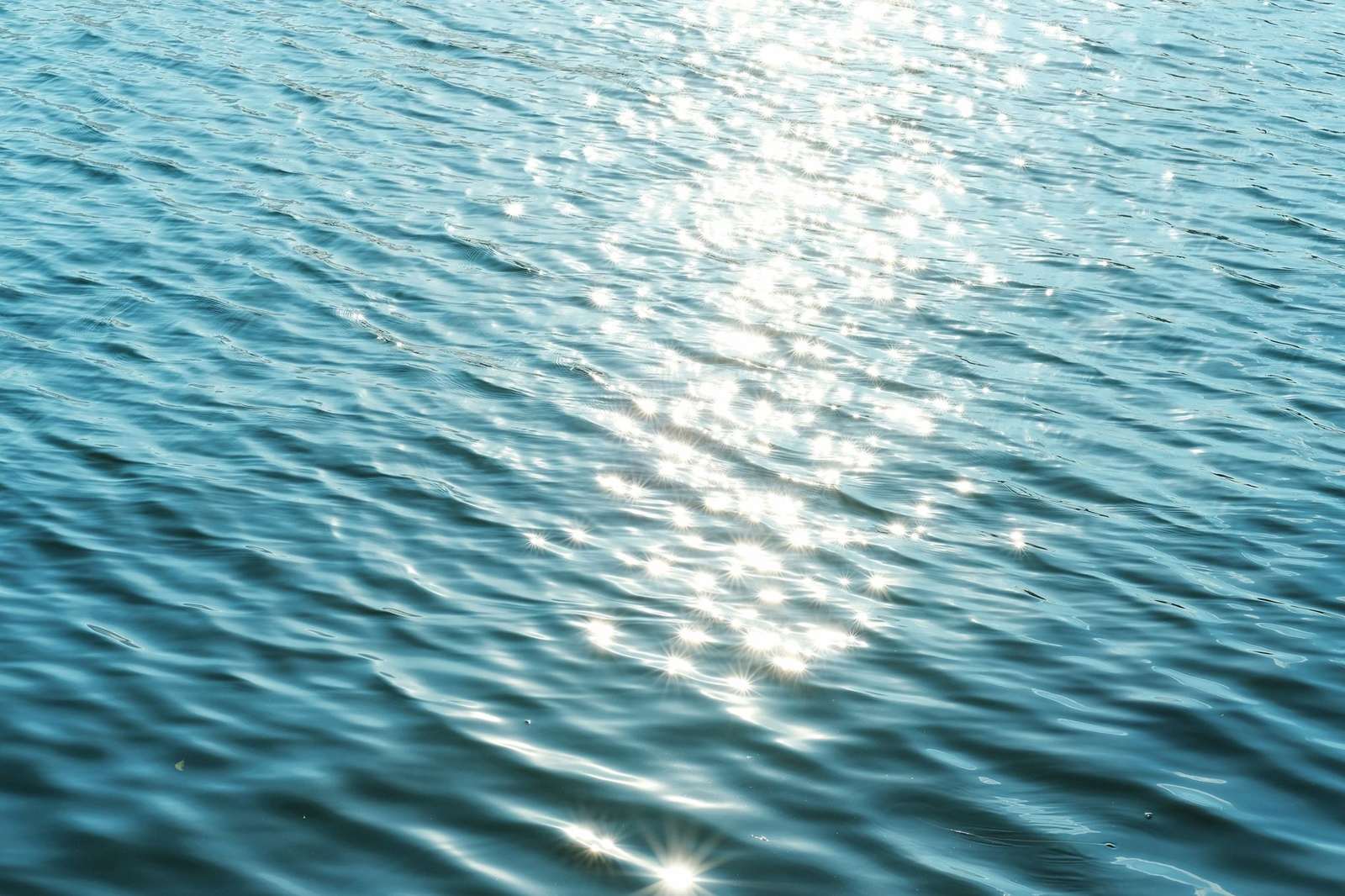
With less glare on the surface, your eyes can pick out the bottom, drop-offs and shapes that would otherwise be washed out. That is the practical reason anglers talk about polarized lenses as a way to see fish, though what you see still depends on light, water clarity and angle.
Which lens colour suits which water?
Polarization handles the glare. Tint is a separate choice, and it changes contrast and colour. Orvis points out that everybody sees colour differently and that vision responds differently to each lens colour, so treat these as starting points.
- Brown, copper or amber: Orvis says light brown, copper and amber all sharpen contrast by reducing blue light, and suggests brown or copper for normal conditions on the flats.
- Amber or yellow: the same guide recommends these for cloudy, overcast conditions.
- Rose: a specialized hue that reduces contrast, which Orvis says helps on stark white flats in very bright conditions.
- Gray: Orvis says gray preserves normal colour relationships but does not increase contrast, so it is not ideal for shallow water where sight fishing is crucial. It recommends gray only for fishing deep, offshore waters and deep lakes.
These recommendations come from a retailer’s guide, so they are one view rather than a standard. If you fish mostly clear, shallow streams, a contrast-boosting warm tint is the usual direction. If you fish deep, open water, gray is the exception the same guide allows.
Do polarized sunglasses protect your eyes?
Not automatically. The American Academy of Ophthalmology says polarization has nothing to do with UV light absorption, but many polarized lenses are now combined with a UV-blocking substance. That means the label matters more than the word “polarized.”
The Academy’s advice is to look for sunglasses that block 99 percent or 100 percent of all UV light. It adds that “UV absorption up to 400nm” on a manufacturer’s label is the same thing as 100 percent UV absorption, and that colour and darkness tell you nothing about UV blocking.
The reason to care is long-term exposure: the Academy links UV radiation in sunlight to cataracts and eye growths, including cancer. Science News Explores likewise reports that sunglasses without UV filters may fail to protect our eyes from this damaging light.
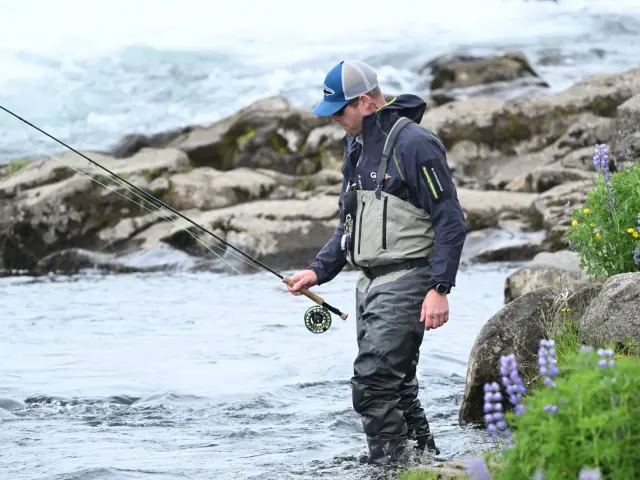
There is also the hook risk. Orvis warns that when hooks are whizzing through the air, there is a real danger of catching one in and around the eye. Wraparound frames, which the Academy says are shaped to keep light from shining around the frames and into your eyes, also give more coverage from the side.
What polarization will not do
- It will not add UV protection by itself. Check the UV label on every pair.
- It will not fix the wrong tint. Orvis says gray does not increase contrast, which compromises resolution in shallow water.
- A mirror coating is not a vision upgrade. Orvis states that a mirror coating does nothing for your vision, though it can look good.
- It will not make one tint work on every day. Orvis recommends different tints for normal conditions, overcast skies and very bright flats.
Seeing the riverbed is only part of staying safe near the water. The guide on river wading safety covers footing and current, and the notes on bear safety when hiking and fishing cover the walk to the water.
How to choose a pair
- Confirm it is polarized and also carries a 99 percent or 100 percent UV label, or “UV absorption up to 400nm.”
- Pick a tint for your usual water: warm tones for shallow, clear water; amber or yellow for overcast days; gray for deep, open water.
- Choose a wraparound shape if side light or stray hooks worry you.
- Consider lens darkness for your conditions. The Academy says a medium lens suits day-to-day wear, while very bright conditions call for a darker one.
- Do not pay for darkness or colour as if it were UV protection; the Academy says neither tells you anything about UV blocking.
Frequently asked questions
Do polarized sunglasses really help you see fish?
Show answer
They help by cutting reflected glare from the surface, which makes it easier to see into the water. They do not make fish visible on their own, and results depend on light, water clarity and the tint you choose.
Are polarized lenses the same as UV-blocking lenses?
Show answer
No, they are separate features. A polarized pair may or may not block UV, so read the UV label on the tag rather than assuming.
What colour polarized lens is best for fishing?
Show answer
Orvis suggests brown or copper for normal conditions on the flats, amber or yellow for overcast days, and gray only for deep offshore waters and deep lakes. It is one retailer’s view, and individual vision differs.
Do I need a mirror coating?
Show answer
Orvis says a mirror coating does nothing for your vision. Choose it for looks if you like, but do not rely on it for glare control.