Planning a trip and unsure which rules apply? Fishing in Canada is a shared job between federal and provincial governments, so the water you fish decides the licence you need.
| Item | Value |
|---|---|
| Annual adult tidal licence in B.C. (resident), 2026/2027 | $25.86, before GST |
| Annual adult tidal licence in B.C. (non-resident), 2026/2027 | $124.41, before GST |
| Annual salmon conservation stamp (tidal, if salmon is retained) | $7.39 |
| Annual tidal licence for anglers under 16 | Free |
| Annual licence year | April 1 to March 31 |
| Value of recreational fishing in the 1995 national survey | $4.9 billion per year |
The licence figures come from the DFO Pacific Region licence page and the survey figure from the DFO operational policy framework. Fees and rules can change, so check the source before you rely on them.
Who manages fishing in Canada?
Managing Canada’s recreational fisheries is a shared responsibility between federal, provincial and territorial governments, according to the DFO recreational fishing regulations page. Roles vary between provinces and territories, so there is no single national rulebook for anglers.
As that page was last modified in June 2021, the general split is simple. The federal government is responsible for all marine species, with an exception for anadromous and catadromous species in inland waters in some regions. Provincial and territorial governments are responsible for freshwater species, with the exception of salmon in British Columbia.
The federal government also keeps responsibility for fish habitat in Canada’s fresh and marine waters. Because it holds legislative authority for inland fisheries, provinces and territories (except Saskatchewan) send recommended changes to rules such as seasons, close times and gear to Fisheries and Oceans, per the operational policy framework.
The stakes are not small. That framework cites the 1995 Survey of Recreational Fishing in Canada, which put recreational fishing at a $4.9 billion socio-economic activity per year.
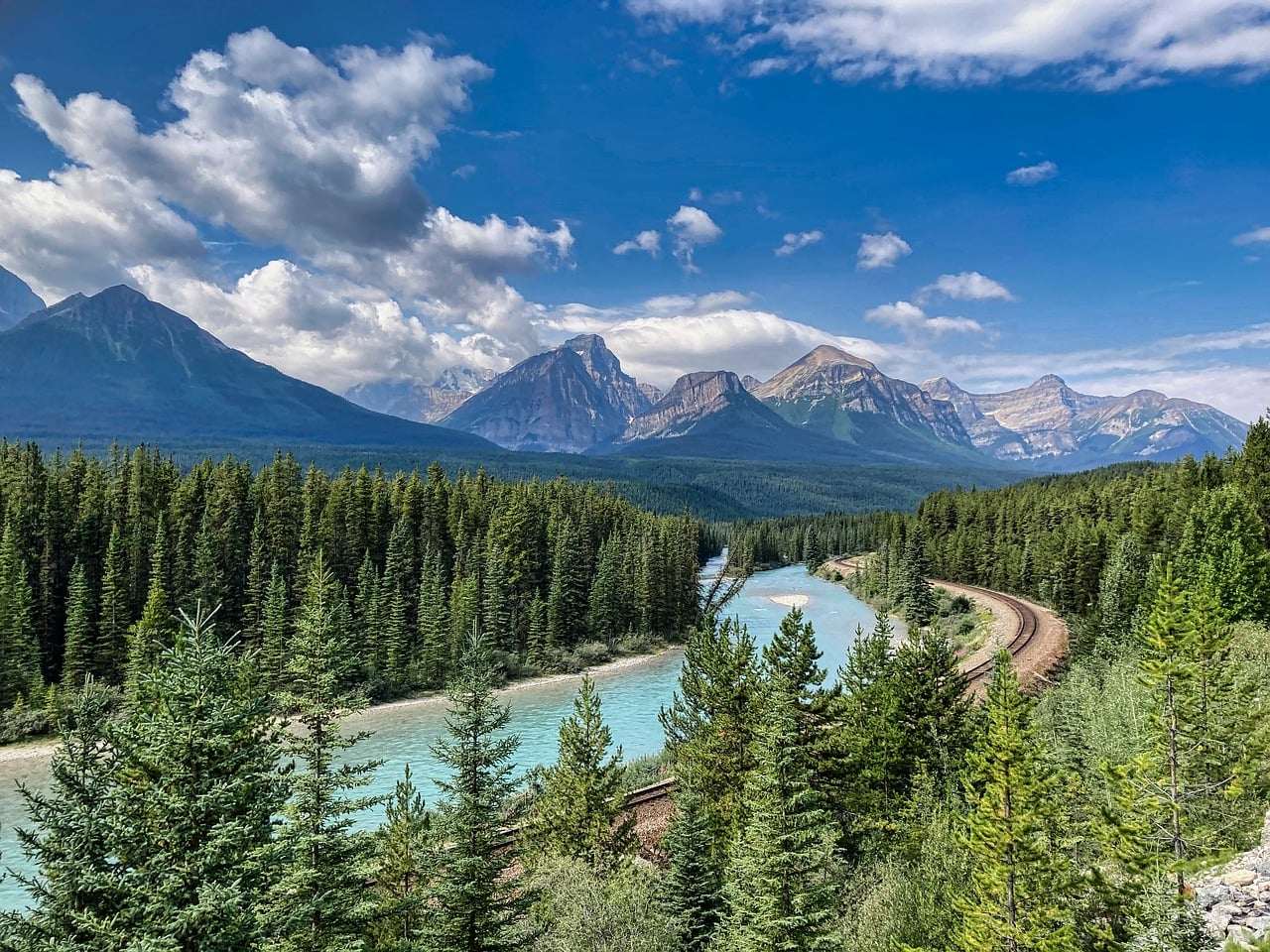
Fishing sits inside the wider world of outdoor recreation, and the licence is where most trips begin. If you came for the fly rod, our overview of fly fishing is the place to start for the sport itself.
How responsibility splits by province and territory
The table below summarises who manages and licenses recreational fishing in each region, as set out in the DFO operational policy framework. Use it as a map of responsibility, and read each region’s own angler guide for the rules themselves.
| Region | Who manages and licenses |
|---|---|
| British Columbia | The federal government manages salmon in marine and fresh water and licenses tidal waters. The province manages and licenses freshwater species and inland salmon sportfishing. |
| Ontario, Manitoba, Alberta | Provinces manage and license freshwater species. The federal government manages marine species in Ontario and Manitoba. |
| Saskatchewan | The province makes day-to-day fishery amendments. Aboriginal fishing and fish habitat protection stay under federal legislation. |
| Quebec | The province manages and licenses freshwater, anadromous and catadromous species. The federal government manages other marine species. |
| New Brunswick, Nova Scotia, Prince Edward Island | The federal government manages anadromous, catadromous and other marine species. Provinces manage and license freshwater species. |
| Newfoundland | The federal government manages marine and freshwater fisheries. The province licenses freshwater fisheries. |
| Yukon | The territory manages freshwater fisheries. The federal government manages marine fisheries. |
| Northwest Territories, Nunavut | Co-management boards handle fishery allocations and advise DFO. Both territories administer sportfish licensing under an Order-in-Council. |
The DFO regulations page links to each region’s angler information. Unless it says otherwise, those sites are run by provincial and territorial governments, and they carry the anglers’ guides and licence details. They fall into four broad groups:
- West: British Columbia, Alberta and Saskatchewan.
- Central: Manitoba, Ontario and Quebec.
- Atlantic: New Brunswick, Nova Scotia, Prince Edward Island, and Newfoundland and Labrador.
- North: Yukon, the Northwest Territories and Nunavut.
British Columbia: tidal licences, fees and salmon stamps
British Columbia is the clearest example of a split system. As of the Pacific Region page updated in April 2026, all recreational fishers must hold a licence to harvest fish and shellfish in tidal (salt) waters, whatever the species and whatever their age. DFO advises buying online before you head out, because not every location has an Independent Access Provider that sells licences.
Annual licences run from April 1 to March 31, and the fees below are the 2026/2027 prices. They do not include GST, and a Canadian resident is someone who normally lives in Canada.
| Licence type | Resident | Non-resident |
|---|---|---|
| Annual adult (16-64 years) | $25.86 | $124.41 |
| Annual senior (65 and older) | $13.54 | $124.41 |
| Annual juvenile (under 16) | Free | Free |
| 5 day (16 and older) | $19.70 | $38.18 |
| 3 day (16 and older) | $13.54 | $23.40 |
| 1 day (16 and older) | $6.46 | $8.62 |
| Salmon conservation stamp (annual, if salmon is retained) | $7.39 | $7.39 |
Check the DFO licence page for the current fee table before you buy. DFO notes that refunds are not issued, so confirm the licence type and fishing year before you pay.
The same page sets out the licence rules that apply once you are on the water:
- Keep the licence in your possession while fishing or transporting your catch.
- Produce it, with all catch records, on request from a fishery officer, conservation officer or fishery guardian.
- Do not lend it, because it is not transferable.
- Do not hold more than one valid licence, as that is illegal.
- Immediately and permanently record retained chinook and halibut in the catch records, or in the NRLS or FishingBC app catch log if you have mobile internet access.
- Adult licence holders must complete an iREC report on kept and released catches, even if they did not fish.
Salmon needs extra care. In tidal water a salmon conservation stamp is required if you retain salmon. In non-tidal water, anglers aged 16 and older need a provincial freshwater licence with a salmon conservation stamp if they keep salmon, and the stamps are not interchangeable between tidal and non-tidal licences.
Non-residents fishing for halibut in some management areas may only buy their licence from an Independent Access Provider in Canada. Check the page for the areas that apply.
Freshwater rules sit with the province, so read our british columbia fishing licence guide before you buy anything for rivers and lakes. For the sport side of the province, start with fly fishing in british columbia. Anglers who want to learn the fish themselves can read about steelhead fishing in bc and the pacific salmon species.
Atlantic and Maritime waters: species and closures
On the east coast the setup differs again. As of the Maritimes Region page updated in March 2026, management of DFO recreational fisheries in the Maritime Provinces is shared between the Maritimes Region and the Gulf Region, according to the DFO Maritimes page.
That page splits species into groups, and each group has a different regulator or rulebook:
- Tidal-water finfish: groundfish such as cod, haddock, halibut and pollock, plus pelagics such as mackerel, bluefin tuna and shark.
- Freshwater finfish: chain pickerel, landlocked salmon, white and yellow perch, speckled, rainbow and brown trout, whitefish (except Atlantic whitefish) and white sucker. DFO points you to the New Brunswick and Nova Scotia provincial websites for these.
- Tidal and freshwater (diadromous) species: Atlantic salmon, Atlantic sturgeon, eel, gaspereau and shad, with smelt and striped bass also listed.
- Shellfish and invertebrates: clam, mussel, oyster, scallop, marine worm and periwinkle.
A few details can catch visitors out. Spearing is permitted in tidal waters only for eels, smelt and tomcod, subject to seasons and limits, and spearing for any species is not permitted in inland waters. DFO also states that there is no recreational fishery for lobster or whelk, and periwinkles must be hand-picked with no recreational licence required.
Shellfish closures can arrive without warning. Bivalve shellfish harvest areas may be closed at any time because of dangerous bacterial and biotoxin levels, so check the Maritimes Orders Registry or call a DFO office before you harvest.
Mackerel sits among the pelagic species on the Maritimes page, so check its listing and the Maritimes Orders Registry before you target it.
Rules that follow you across Canada
Some ideas show up in every region, even though the details differ. DFO defines recreational fishing as fishing solely for pleasure, or to catch fish solely for personal use.
Bag and possession limits are worth understanding before you fish. As of the DFO Maritimes page updated in March 2026, the daily bag limit is the total number of fish you may keep in a day, regardless of how many areas you fish. The possession limit is the number of fish you may have at any time.
Released fish usually do not count toward the bag limit, and Atlantic salmon is the exception DFO names. That is one reason to read the species rules for your water rather than assuming that catch and release is always free of limits.
Licences are also treated seriously in federal law. In the Fishery (General) Regulations, last amended 2026-06-22 on the Justice Laws site, a document is the property of the Crown and is not transferable. Those regulations also prohibit altering or defacing a document, or using one that has been altered or defaced.
Planning your first trip
Work through the questions in order, because each answer narrows the rules you need to read.
- Pick the water type. Tidal or freshwater decides which government issues the licence.
- Find the regional guide. Use the DFO regulations page to reach the province or territory’s angler information.
- Buy the right licence. Confirm residency, age, licence length and any species stamp, then keep proof with you.
- Check closures and limits. Look up seasons, bag limits and any shellfish or species orders for your area.
- Plan your timing. Our guide to the best time to fish in british columbia helps with seasons in one province.
If you plan a river trip in the west, read about the skeena river for one major watershed. The guide to classified waters bc is the next step for river-by-river rules.
This site is independent and educational. It is not affiliated with DFO or any provincial agency, and it cannot sell licences or give personal advice, so always confirm requirements with the official source.
Frequently asked questions
Do I need a licence to fish in salt water in British Columbia?
Show answer
Yes. As of the DFO Pacific Region page updated in April 2026, all recreational fishers need a licence to harvest fish and shellfish in tidal waters in B.C. Juvenile anglers under 16 get a free annual licence.
Who sets the rules for freshwater fishing?
Show answer
Generally provincial and territorial governments are responsible for freshwater species, with the exception of salmon in British Columbia, as stated on the DFO regulations page last modified in June 2021. Check the guide for the province you plan to fish.
Does a released fish count toward my daily limit?
Show answer
Per the DFO Maritimes page updated in March 2026, caught and released fish are not considered part of the bag limit, except for Atlantic salmon. Rules in other regions may differ, so read the local guide.
Can I lend my fishing licence to a friend?
Show answer
No. B.C. tidal licences are not transferable, and it is illegal to hold more than one valid licence. The federal Fishery (General) Regulations also say a document is the property of the Crown and is not transferable.
Can I spear fish in Canada?
Show answer
In the Maritimes Region, spearing is permitted in tidal waters only for eels, smelt and tomcod, and not for any species in inland waters, per the DFO Maritimes page updated in March 2026. Other regions have their own rules.