If you’re staring at a wall of rods and reels, take a breath. The fly fishing gear for beginners you really need is short: a balanced rod, reel and line, a leader, a few flies and simple tools.
This checklist sits inside the wider topic of fly fishing, so read it alongside the basics.
| Item | Value |
|---|---|
| Rod weights most Ontario lake and river anglers use | 4 wt to 9 wt |
| Starter setup budget in a 2016 magazine article | about $200 |
| Rod that can load the line, same article | under $100 |
| Reel that gets the job done, same article | about $40 |
| Budget waders, same article | $80 pair, may not last more than one season |
These figures come from Destination Ontario’s beginner guide and a 2016 Game & Fish article. Prices and recommendations change, so check the sources before you rely on them.
Try a lesson before you buy anything
Destination Ontario says the best way to begin is to hire an instructor. It adds that after a guided trip you’ll want to invest in essential equipment, including a rod, reel and line set, which is a sensible order to spend in (source).
The same guide warns that learning alone means you may hook your ear multiple times and spend hours untangling your fishing line. A lesson also shows you what feels right in your hand before you commit to a purchase.
If you haven’t started yet, the steps in how to start fly fishing pair well with this gear list.
Rod, reel and line: the core outfit
A fly outfit has three main components: a rod, a line and a reel, according to Field Mag’s gear guide. The same guide says to ask what you want to fish for before you buy, because each environment calls for a different setup.
Choosing a rod weight
Fly rods use a number system instead of the ultralight-to-heavy scale of conventional rods. Destination Ontario says it runs from 0 wt up to 15 wt, and most anglers on Ontario’s lakes and rivers use between 4 wt and 9 wt.
Where you land in that range depends on the fish and the fly:
- 3 to 5 wt: Field Mag calls these ideal for larger trout and bass, usually 9-10 ft long.
- 5-6 wt: a British Columbia retailer’s checklist calls this a versatile starting point for most freshwater fishing on Vancouver Island.
- 6 wt: Destination Ontario says fine leader and tiny flies cast better on this weight.
- 8 or 9 wt: the same guide says large baitfish imitations for bass or pike cast better here.
If you can’t decide, the guide on how to choose a fly rod goes deeper on that decision.
Fly line and backing
Line weight must match rod weight, and Field Mag keeps it simple: a 5-weight line matches a 5-weight rod. Floating lines are the most commonly used freshwater fly lines, according to the same guide.
The retailer’s checklist advises beginners to start with a weight-forward floating line, which is easier to cast and works well for dry flies and nymphs on lakes and rivers (source). Backing sits behind the line on the reel and provides extra length when a fish runs.
One magazine writer goes further and calls the fly line the most important investment in a starter kit (source). If you have to choose where the money goes, that is a reasonable place to put it.
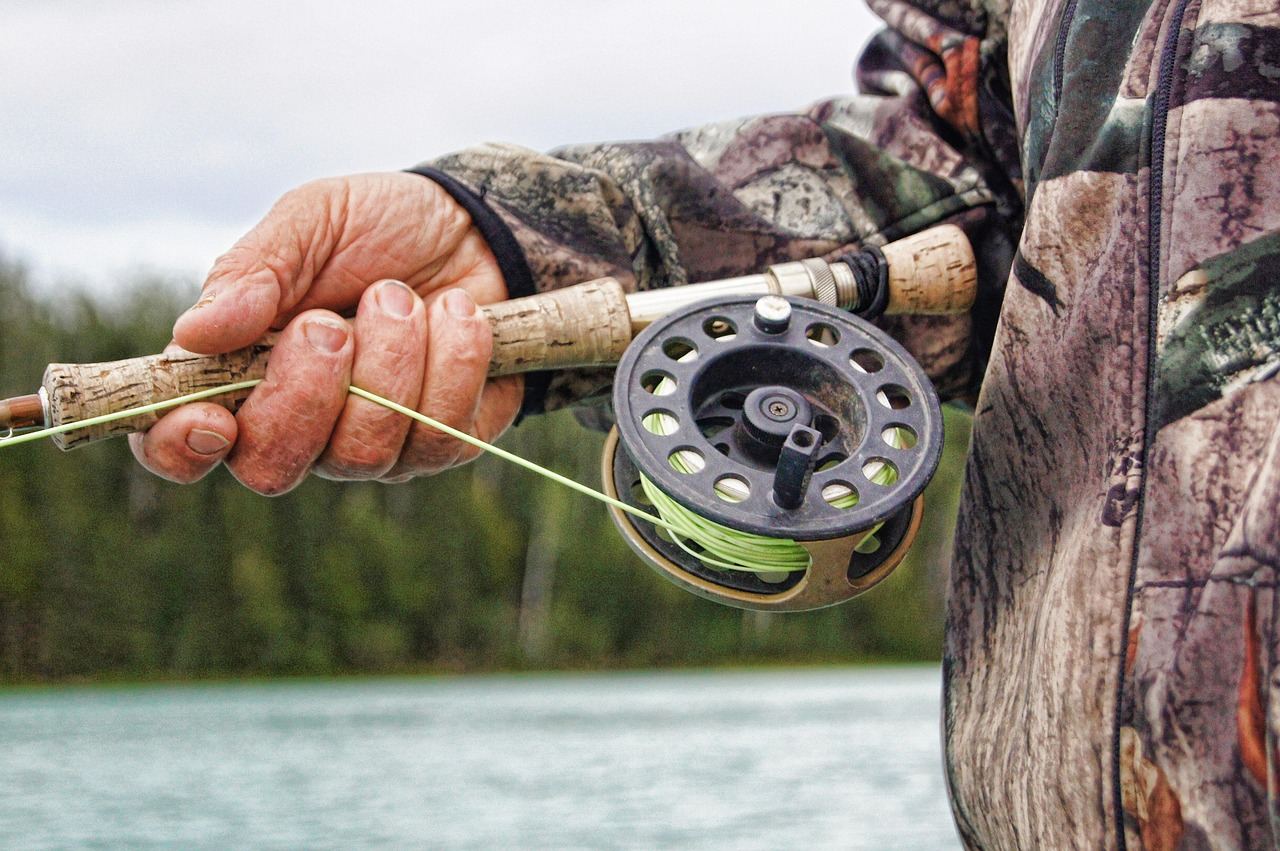
Fly reel
Destination Ontario says you’ll want to balance your setup so the reel and line match the rod weight (source). It also notes that with smaller species like panfish, it isn’t necessary to have the line on the reel.
On cost, the 2016 Game & Fish writer says you only need a $40 reel to get the job done, depending on the species. He adds that drag isn’t even necessary for small fish such as 8-inch brook trout, but bigger game calls for a good drag system (source).
How much should fly fishing gear for beginners cost?
A 2016 Game & Fish article says you can get set up for about $200 and do quite well. It argues a rod only has to load the line and send it out, which can be achieved for under $100 (source).
Prices span a wide range, though. Field Mag notes that fly rods can cost from under $100 to over $1,000.
Because the $200 figure dates from 2016, treat it as a rough guide and check today’s prices. A simple order of spending based on the sources looks like this:
- A lesson or guided trip, so you learn to cast first.
- A fly line that suits your rod weight.
- A rod that loads that line.
- A reel that balances the rod and holds the line and backing.
- Waders and boots, only if the water you fish calls for them.
Leaders, tippet and flies
A tapered leader helps transfer energy from the fly line to the fly during the cast. Tippet extends the leader and reduces visibility in the water, according to the retailer’s checklist.
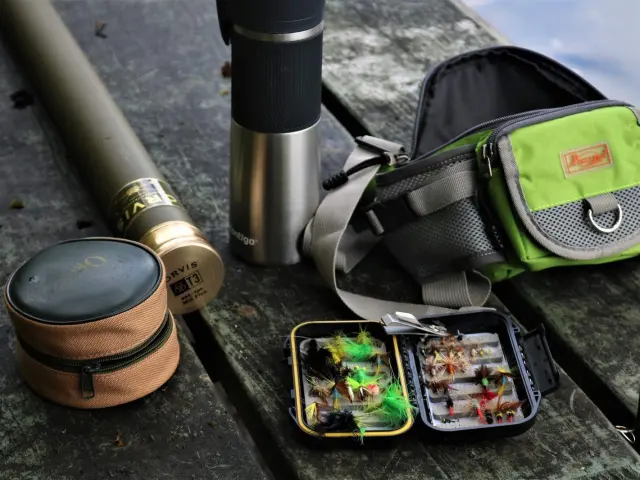
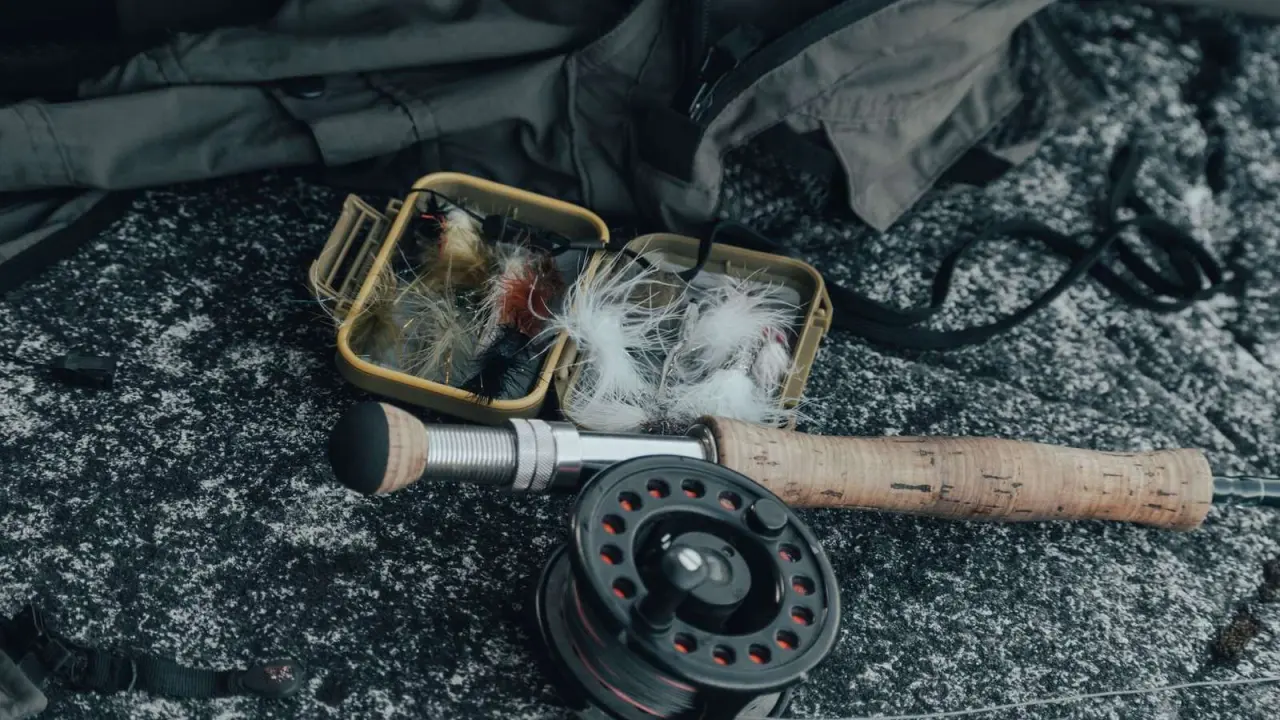
The same checklist says new anglers can start with pre-tied flies instead of tying their own. A basic selection of dry flies, streamers and nymphs covers most local conditions, and woolly buggers, Adams and chironomids are proven patterns throughout Vancouver Island.
The 2016 Game & Fish writer offers a simple matching rule: ask what your target species eats, then look for a fly of roughly the same shape, roughly the same size and, a much lesser concern, roughly the same colour (source). Field Mag describes the main fly families this way:
- Dry flies: float on the surface and represent mayflies and other flying insects that hatch on lakes and trout streams.
- Nymphs: imitate the aquatic life stage of those insects.
- Streamers: represent larger meals like baitfish, minnows, crayfish and sculpins.
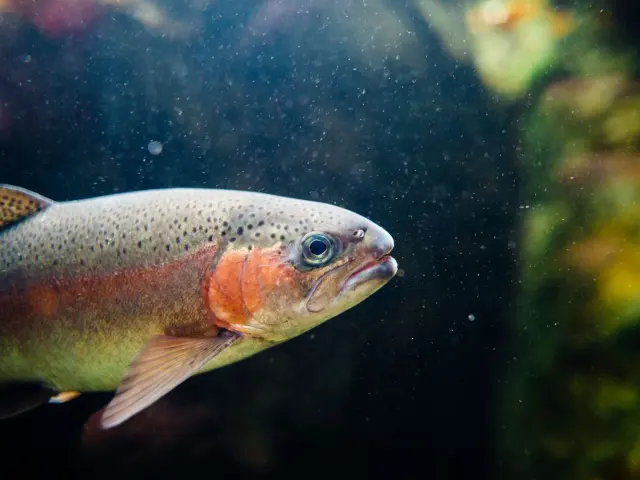
Field Mag also says dry fly fishing is a fun and easy technique to learn when you are just starting, because you can see the fly and the moment the fish takes it. It adds that trout consume some 90% of their food under the water’s surface, which is why nymphs earn a place in your box.
Fly box, tools and small extras
Keeping gear organized makes switching patterns faster. The retailer’s checklist suggests a double-sided fly box for your essential flies, plus a few simple tools:
- Nippers for trimming line and tippet.
- Hemostats for handling flies and hooks.
- A floating line treatment to help you maintain gear during a session.
None of these items is costly, and together they keep a session running smoothly when you are tying on new flies or fixing a tangle.
Do you need waders and boots?
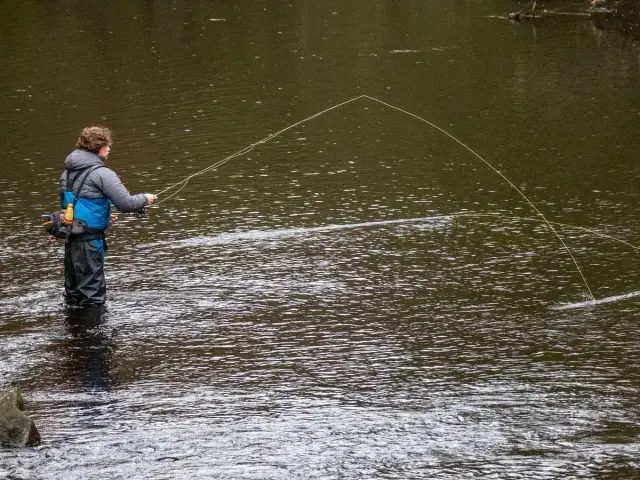
Not always. The retailer’s checklist calls breathable waders and supportive boots not mandatory for every situation, but says they provide access to more water and improve comfort in rivers (source).
The 2016 Game & Fish writer says it is quite possible to start fly fishing and never buy waders. Casting from shore can work when nothing behind you will snag your line, such as trees or tall shrubs (source).
If you do buy, expect quality to matter. The same article says an $80 pair will not likely last more than one fishing season before leaking, while a $300 pair will also spring leaks if you are not careful with it.
Frequently asked questions
What should you buy first?
Show answer
Book a lesson or guided trip if you can, since Destination Ontario calls an instructor the best way to begin. For gear, a Game & Fish writer names the fly line as the most important investment.
What rod weight suits a beginner?
Show answer
It depends on the fish and fly. Destination Ontario says most Ontario anglers use between 4 wt and 9 wt, while a British Columbia retailer suggests 5-6 wt as a versatile start for Vancouver Island freshwater.
Do you need to tie your own flies?
Show answer
No. A British Columbia retailer’s checklist says new anglers can start with pre-tied flies, and a basic mix of dry flies, streamers and nymphs covers most local conditions.
Does a beginner reel need a drag?
Show answer
Not always. The 2016 Game & Fish article says drag isn’t necessary for small fish like 8-inch brook trout, but bigger game calls for a reel with a good drag system.