Wondering how to start fly fishing without tangled lines and wasted money? Book a lesson with an instructor, learn to cast, then buy a balanced beginner rod, reel and line. Your first outing gets much easier from there.
This page is one part of the wider guide to fly fishing on this site.
| Item | Value |
|---|---|
| Fly rod weight range | 0 wt to 15 wt |
| Rod weights most Ontario lake and river anglers use | 4 wt to 9 wt |
| Rod weight for large flies such as bass or pike baitfish imitations | 8 or 9 wt |
| Rod weight for fine leader and tiny flies | 6 wt |
| Ontario Fisheries Management Zones | 20 |
| Outdoors Card validity | Three years |
These figures come from Destination Ontario’s beginner page and the Ontario government’s Learn to Fish program. They can change, so check the sources before you rely on them.
Should you learn from an instructor first?
Destination Ontario’s beginner page says the best way to begin is to hire an instructor. A lesson from an expert guide means learning from someone who knows what they are doing, so you improve in a much shorter time (source).
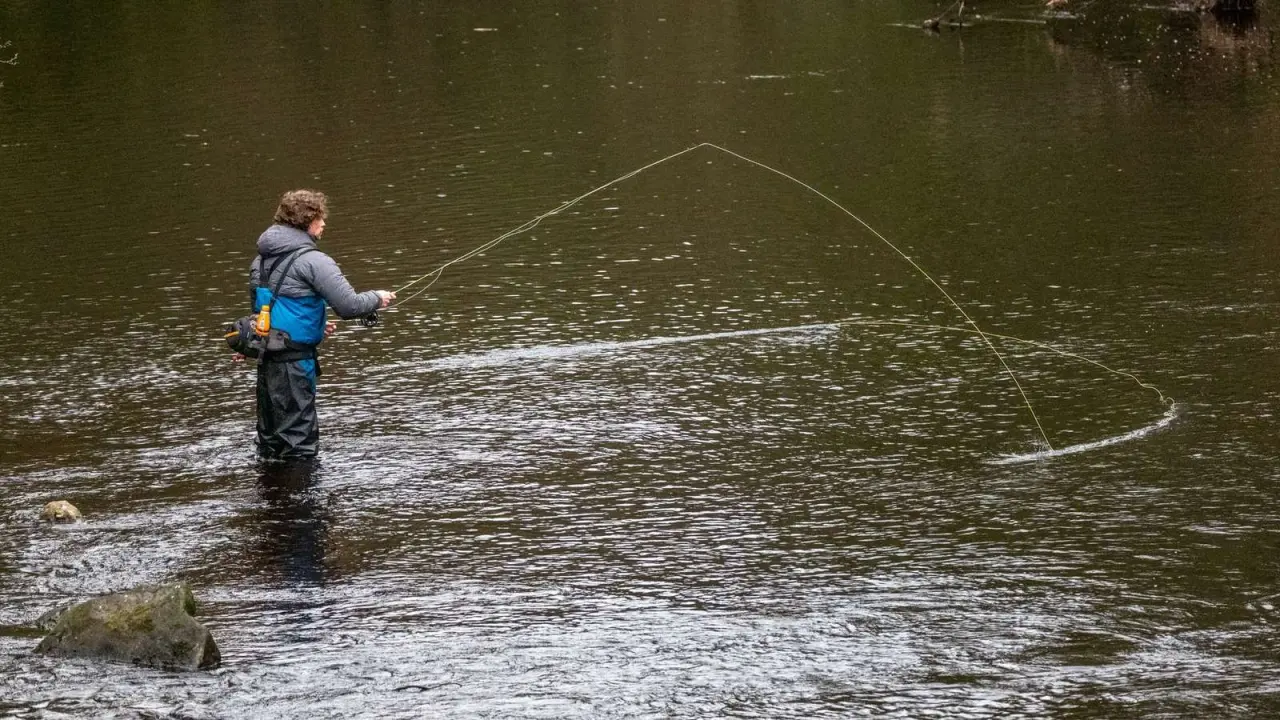
Fly fishing begins with the cast. Once you have the fundamentals, you can work on distance, accuracy and casting in the wind.
You can teach yourself, but the same page warns that you may hook your ear multiple times and spend hours untangling your line. That is a good reason to get at least a few hours of instruction before you buy much.
One Ontario guiding service listed on that page runs a Learn To Fly program. A beginner lesson like it should cover practical skills such as:
- casting
- mending your line
- tying knots
- choosing and using different flies
What gear do you need to start fly fishing?
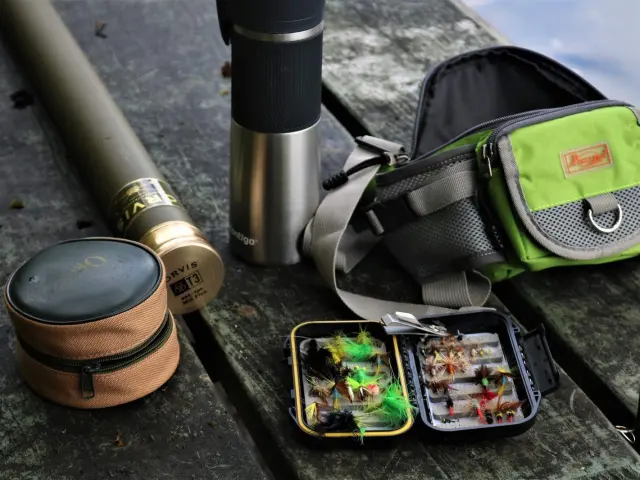
Hold off on a big shopping trip. Destination Ontario suggests that after you have enjoyed a guided trip, you will want to invest in a rod, reel and line set (source).
Fly gear works differently from other fishing tackle. The Ontario government’s Learn to Fish guide says the lures, called flies, are almost weightless, while the heavier line allows for casting, and that this style of fishing needs a lot of practice (source).
Fly lines and reels use the same number system as rods. Your goal is a balanced setup, where the reel and line match the rod weight.
The reel plays a smaller role than many beginners expect. Fish are often handled with nothing but the rod and the line under your finger, and with smaller species such as panfish it is not necessary to have the line on the reel.
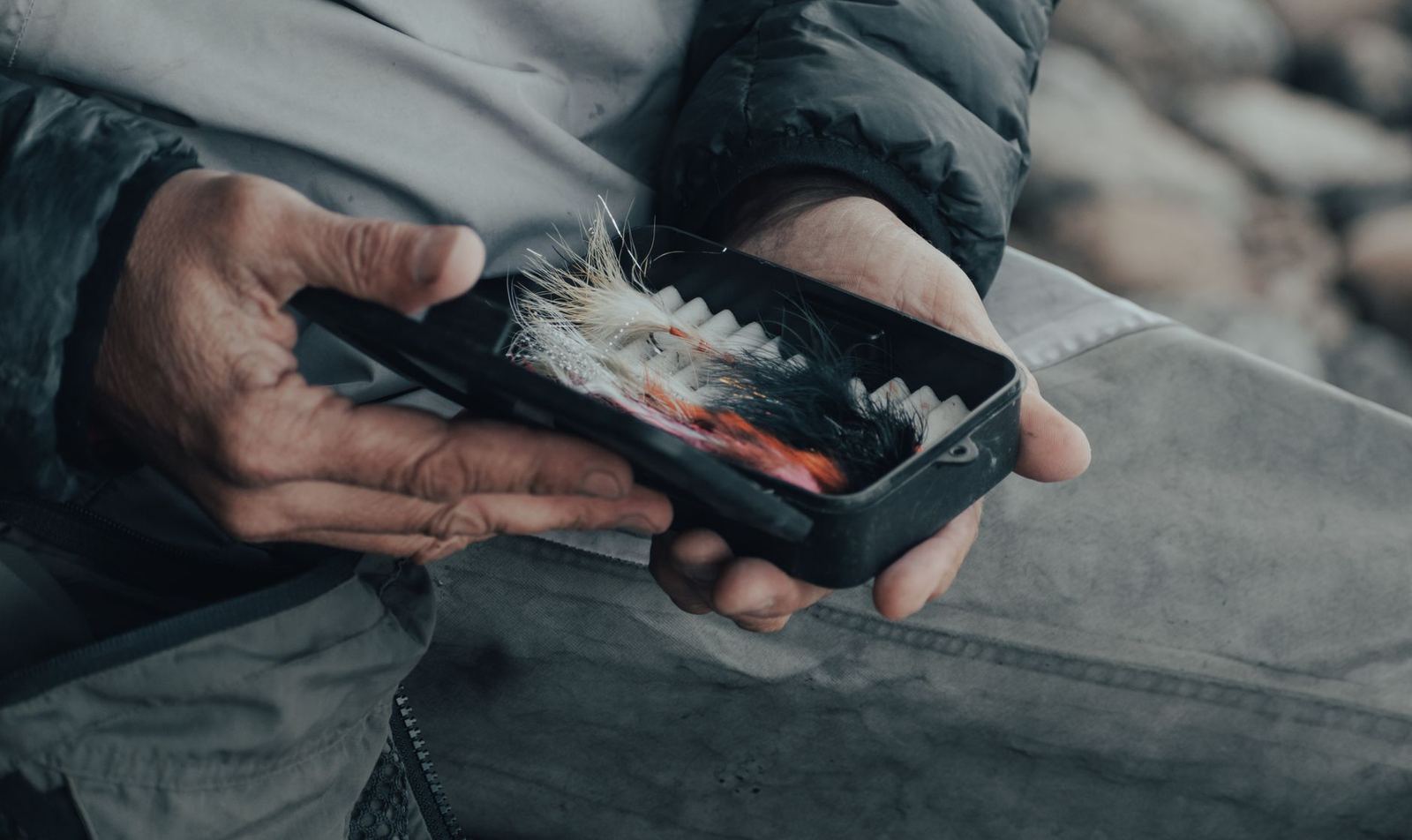
For a fuller shopping list, read the page on fly fishing gear for beginners.
Matching your rod to the fish
Fly rods are measured with a number system rather than the action scale used for conventional rods. The system begins at 0 wt, which suits small trout in tiny mountain streams, and goes up to 15 wt (source).
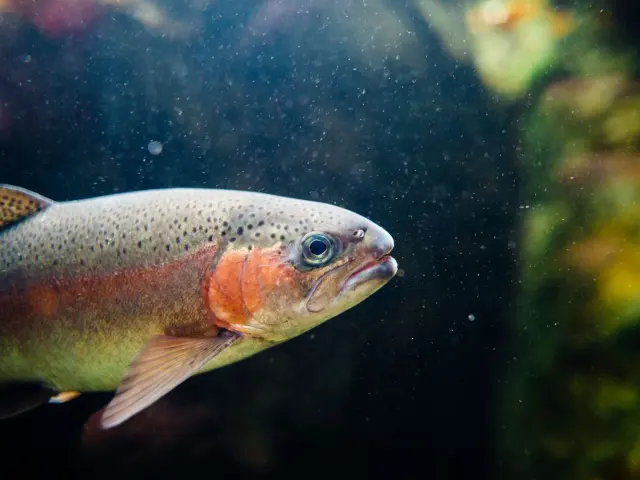
Most anglers in Ontario’s lakes and rivers use between 4 wt and 9 wt. Their targets include brook, brown and rainbow trout, salmon, smallmouth and largemouth bass, pike, muskie, carp and panfish.
The right weight depends on the fish and the fly:
- Large flies, such as baitfish imitations for bass or pike, cast better on an 8 or 9 wt.
- Fine leader and tiny flies cast better on a 6 wt.
- Small trout in tiny streams suit the lightest end of the range.
If trout are on your list, the explainer on steelhead vs rainbow trout helps you decide which fish to chase.
Know the rules before you wade in
Ontario’s Learn to Fish program tells you to read the Recreational Fishing Regulations Summary. It includes a map that divides the province into 20 Fisheries Management Zones, and each zone lists species limits, seasons and extra rules for specific waterbodies (source).
The program describes Sport and Conservation licences. A Sport licence lets you keep more fish, a Conservation licence has a reduced catch limit, and the program recommends a Conservation licence if you plan to practise catch and release.
It also says Canadian residents under 18 or 65 and older do not need to buy a licence. Before you buy a licence, you need an Outdoors Card, which lasts three years.
Check hook rules too. The Learn to Fish guide notes that barbed hooks are not allowed in some waterbodies (source). If you fish outside Ontario, look up your own province’s rules.
A simple plan for your first season
Put the pieces in order and the learning curve flattens. Destination Ontario admits that fly fishing brings fouled reels, tangles and frustration, but says there are things you can do to significantly flatten that curve (source).
- Book a lesson or guided trip so you learn the cast from an expert.
- Practise line management until your casts feel controlled.
- Read the regulations and buy any licence you need for the waterbody.
- Buy a rod, reel and line that are balanced to the same weight.
- Head out, stay patient and keep your expectations realistic.
On expectations, a CBC Life beginner’s guide says basic fishing technique is fairly simple but best learned from another person. Its source, an amateur fisher and chef named Neil Dowson, reminds beginners that you will not catch fish every time you go out (source).
Dowson also calls fishing a well-known stress reliever that helps restore patience and resourcefulness. That is a useful mindset for a sport that rewards slow, steady practice.
Frequently asked questions
Can I teach myself to fly fish?
Show answer
You can, but Destination Ontario says the best way to begin is to hire an instructor. Learning alone may mean hooking your ear and spending hours untangling line.
What rod weight should a beginner choose?
Show answer
Most Ontario lake and river anglers use between 4 wt and 9 wt, according to Destination Ontario. Match the weight to the fish and fly you plan to use, and balance the reel and line to the rod.
Do I need a fishing licence in Ontario?
Show answer
Many anglers do, but Canadian residents under 18 or 65 and older do not need to buy one, per the Ontario government’s Learn to Fish program. Some other residents have a deemed licence, so read the Regulations Summary for specifics.
Do I need to catch fish to enjoy fly fishing?
Show answer
No. A CBC Life guide quotes an amateur fisher who says you will not catch fish every time you go out, and that fishing is a stress reliever.