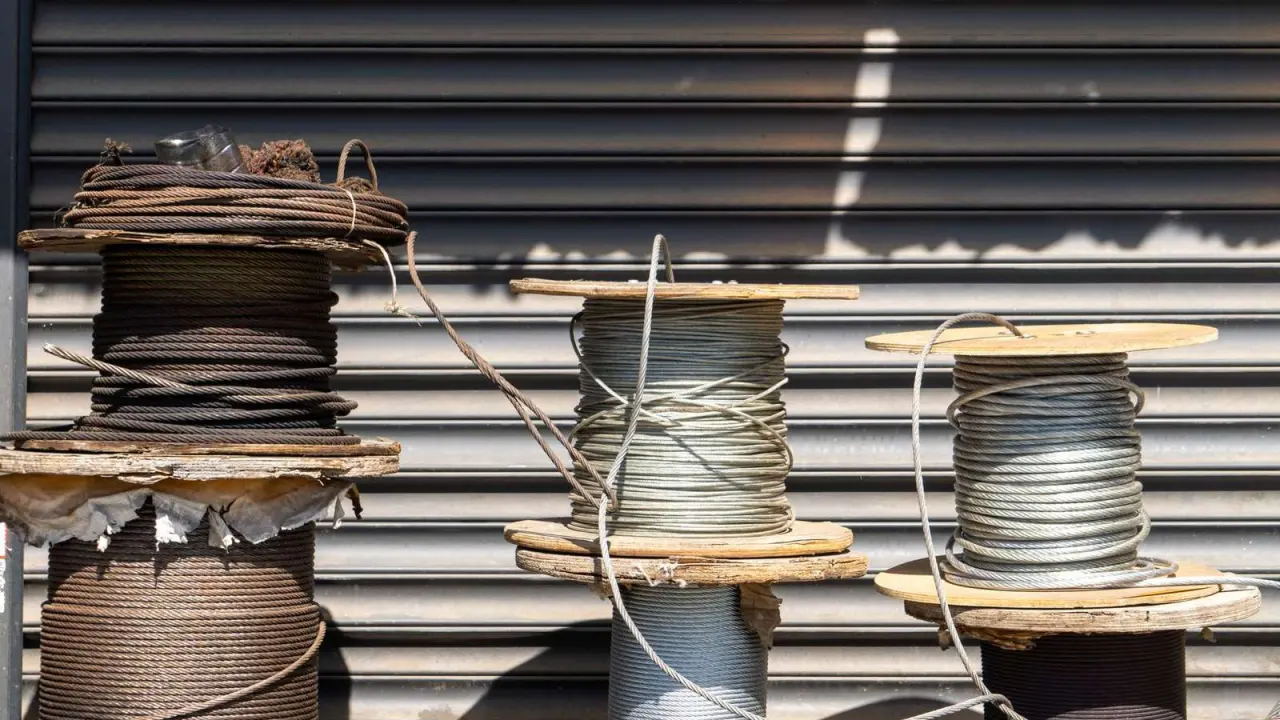
Staring at a wall of spools and wondering which fly fishing leader and tippet to buy? Start with a tapered leader, then match the tippet to your fly with the “rule of 3” below.
This guide is part of our wider look at fly fishing, and it covers the part of the rig that sits between your fly line and the fly.
| Item | Value |
|---|---|
| Rule of 3 for tippet size | Hook size divided by 3 gives the X size |
| 5X monofilament tippet | .006 inch diameter, about 4.75 lb breaking strain |
| 8X monofilament tippet | .003 inch diameter, about 1.75 lb breaking strain |
| 4X monofilament tippet | .007 inch diameter, about 6 lb breaking strain |
| 0X monofilament tippet | .011 inch diameter, about 15.5 lb breaking strain |
Figures come from a tippet size chart and Orvis’s tippet chart, and they can change. Check the source, and the label on your own spool, before you rely on them.
Leader versus tippet: what each one does
The leader is the tapered length of line that connects your fly line to the fly. It is thick at the fly-line end so it can carry the energy of your cast, and it gets thinner toward the fly so the fly lands softly.
The tippet is the thin, level section at the business end. Many anglers buy a knotless tapered leader, then add tippet as the end gets shorter from changing flies.
The tippet also has to be balanced with the leader. One guide says the tippet diameter must be close to, but not larger than the diameter at the end of the leader, so the line transfers energy smoothly from fly line to fly.
How the X system sizes tippet
Tippet is labelled with an X rating that describes diameter. As one chart explains, the higher the number, the lower the diameter, with 8X about the thinnest on the market and 0X much thicker.
Here is a sample of monofilament values from that chart:
| X size | Diameter (inches) | Approx. breaking strain (lb) | Typical fly sizes |
|---|---|---|---|
| 8X | .003 | 1.75 | #22 to #28 |
| 6X | .005 | 3.5 | #16 – #22 |
| 5X | .006 | 4.75 | #14 – #18 |
| 4X | .007 | 6 | #12 – #18 |
| 2X | .009 | 11.5 | #4 – #8 |
| 0X | .011 | 15.5 | 1/0 – #4 |
Treat the strength column as a rough guide, taken from that chart, and check it against the spool you buy. The source notes that different brands of tippet have different breaking strains for the same diameter, and the figures can change.
Matching tippet to your fly with the rule of 3
If you do not want to carry a chart, Orvis suggests the rule of 3: divide the hook size by 3 and you get the appropriate tippet size. A size 16 fly gives 5.33, and the same page says 5X is plenty close enough.
The logic is balance. The tippet must be stiff enough to straighten the leader, yet flexible enough for the fly to move naturally, and that comes from diameter rather than pound-test, according to Orvis’s tippet chart.
Get it wrong in either direction and you see the problem quickly:
- Too heavy: the fly may not move naturally with the current or swim properly.
- Too light: air resistance from a fly that is too big pushes back and the leader lands in a messy coil.
- Bigger flies: Orvis says that moving from a size 16 dry on 5X to a size 6 streamer means a heavier tippet like 2X, or your clinch knots will not hold.
Fly size is the starting point, which is why it helps to know your types of fishing flies before you stock tippet spools. Water clarity and fish size can nudge the choice, but Orvis says it should still fall within the fly-size range on its chart.
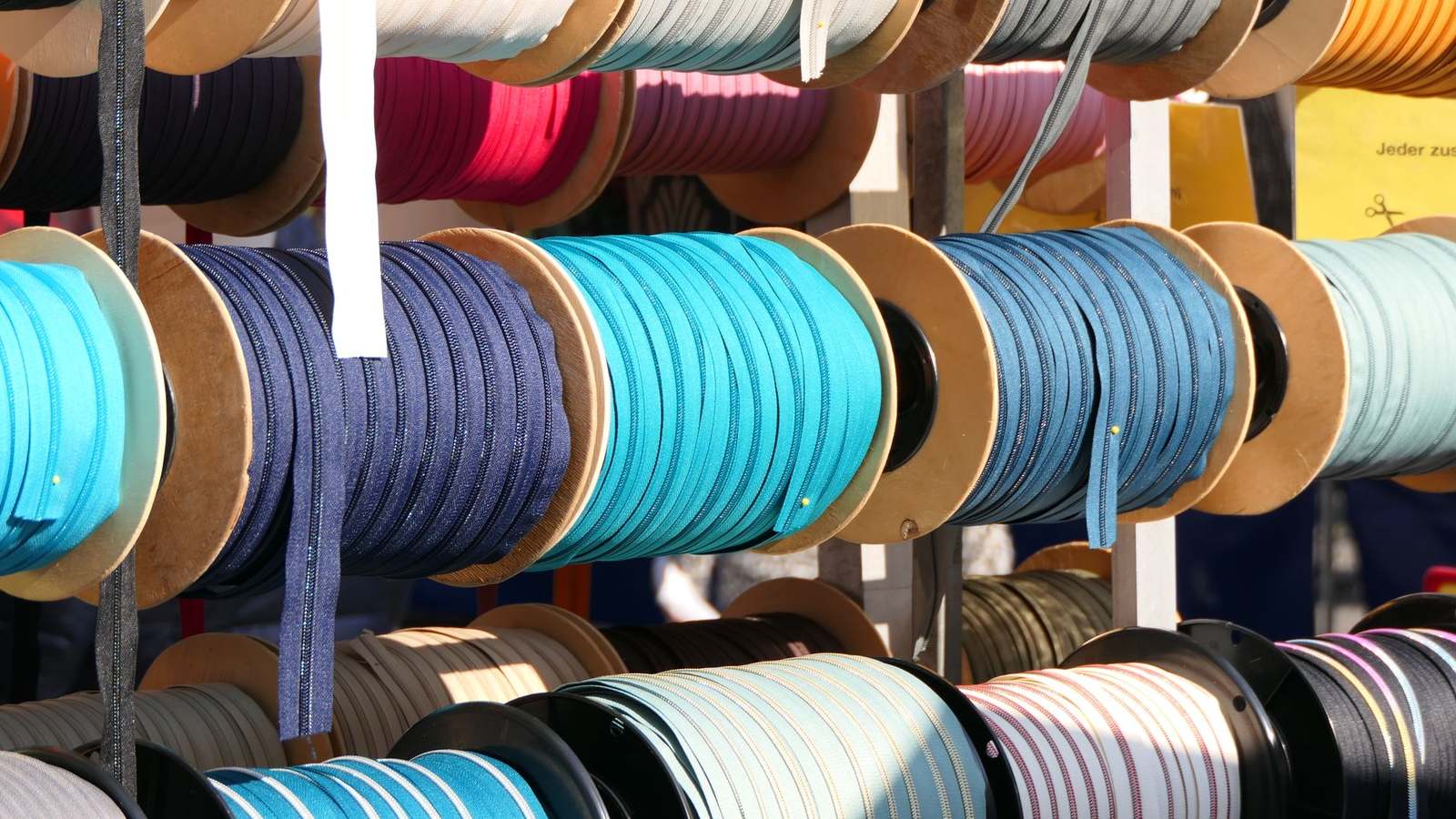
Nylon or fluorocarbon tippet?
Nearly all leaders and tippet are made of monofilament nylon or fluorocarbon, according to Montana Angler’s leader guide. Each suits different jobs.
- Nylon (monofilament): it floats well, so it is the go-to for dry flies. The same guide says it is more affordable and a better choice for light tippets and small flies.
- Fluorocarbon: it inherently sinks, so it is not the best choice for dry flies on the surface. The guide calls it stronger and more abrasion resistant, and suggests it for nymphs, streamers and the dropper tippet in a dry-dropper rig.
Be careful with the “stronger” claim. The tippet chart source says that at an equivalent diameter, fluorocarbon has a lower breaking strain, though it is more abrasion resistant and nearly invisible under water.
Cost matters too. A retailer’s blog post (North 40, August 2017) says fluorocarbon is generally two to three times more expensive than nylon, so many anglers keep fluorocarbon for the situations that need it.
Choosing leader length
Most leaders come in two lengths. Montana Angler says most are 7.5 feet or 9 feet, with 12-foot leaders available but not stocked by every fly shop.
- 7.5 feet: ideal for small streams, pocket water, and spots with thick brush or overhead cover.
- 9 feet: standard on larger rivers, spring creeks, and when fishing from a boat.
- 12 feet: a good choice for stalking selective spring creek trout.
The trade-off is straightforward. A shorter leader casts and turns over more easily, especially in wind, but the drift may drag sooner than with a longer leader, according to the same guide.
Reading currents helps you decide, since seams and eddies are what cause drag. Our guide on how to read a river for fishing covers where those trouble spots form.
A simple setup routine
- Pick a tapered leader in the length that suits the water, usually 9 feet for open rivers.
- Choose your fly, then divide the hook size by 3 and round to the nearest whole X size.
- Pick nylon for dry flies or fluorocarbon for sunk flies and droppers.
- Tie on tippet that is close to, but not larger than, the leader’s end diameter.
- Check the first cast: if the leader piles up, move to a slightly heavier tippet, and if the fly will not drift naturally, go lighter.
Frequently asked questions
What does the X in 5X tippet mean?
Show answer
It is a diameter rating. The higher the number, the thinner the tippet, and 5X monofilament is about .006 inch across according to the Tackle Village chart.
Is breaking strength or diameter more important?
Show answer
Diameter. Orvis says the balance of stiffness and flexibility comes from the tippet’s diameter, not its pound-test or breaking strength.
Can I use fluorocarbon for dry flies?
Show answer
It is not the best choice, because fluorocarbon inherently sinks, according to Montana Angler. Monofilament floats well and is the usual pick for dry flies.
What leader length should a beginner buy?
Show answer
A 9-foot tapered leader is the standard on larger rivers, spring creeks and boats. Choose 7.5 feet for small, brushy streams.