Standing in a shop and unsure how to choose wading boots? Pick the sole for where you fish and the rules there, then size the boot for your waders. Rubber is the safer default.
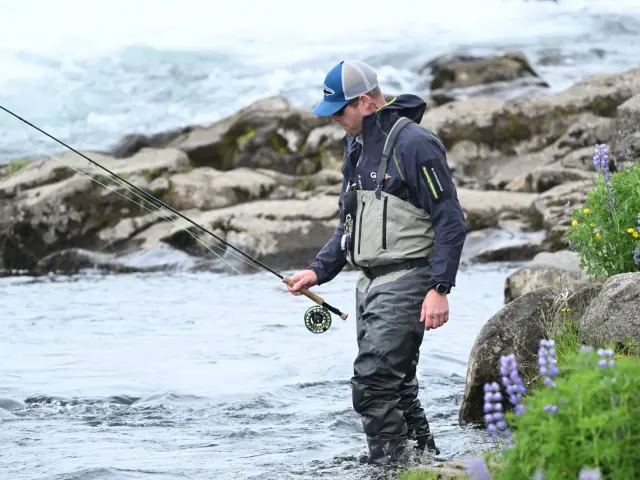
Boots are one small part of outdoor recreation gear, but they decide how steady and comfortable your whole day on the water feels.
| Item | Value |
|---|---|
| Sole types (Orvis) | Two: felt-soled and rubber-soled |
| Metal studs | Pre-attached or added after purchase, on either sole |
| Sizing advice (Dick’s Sporting Goods) | One size larger than normal hiking boots, possibly 1/2 size more with thick socks |
| Sizing advice (Orvis) | No need to size up for stockingfoot waders |
| Toe room (Orvis) | Enough to wiggle your toes |
These figures come from retailer buying guides, Orvis and Dick’s Sporting Goods, and the two disagree on sizing. Guidance and rules can change, so check the source and the maker’s size chart before you rely on them.
Felt or rubber: what each sole does
Orvis says wading boots come in two types, felt-soled and rubber-soled, and that either can carry metal studs. Dick’s Sporting Goods lists three sole varieties instead (rubber, felt and cleated), because it treats studded boots as their own group.
Felt is the traditional choice for slick rock. Dick’s says felt boots offer exceptional traction over slimy rocks, moss and debris. Orvis suggests felt if you fish close to your car on slick-bottomed rivers and not in below-freezing temperatures.
Rubber is the more flexible all-rounder. Orvis recommends rubber-soled boots if you fish a wide range of conditions, and Dick’s notes that rubber gives good traction in muddy river bottoms and is easy to clean at day’s end.
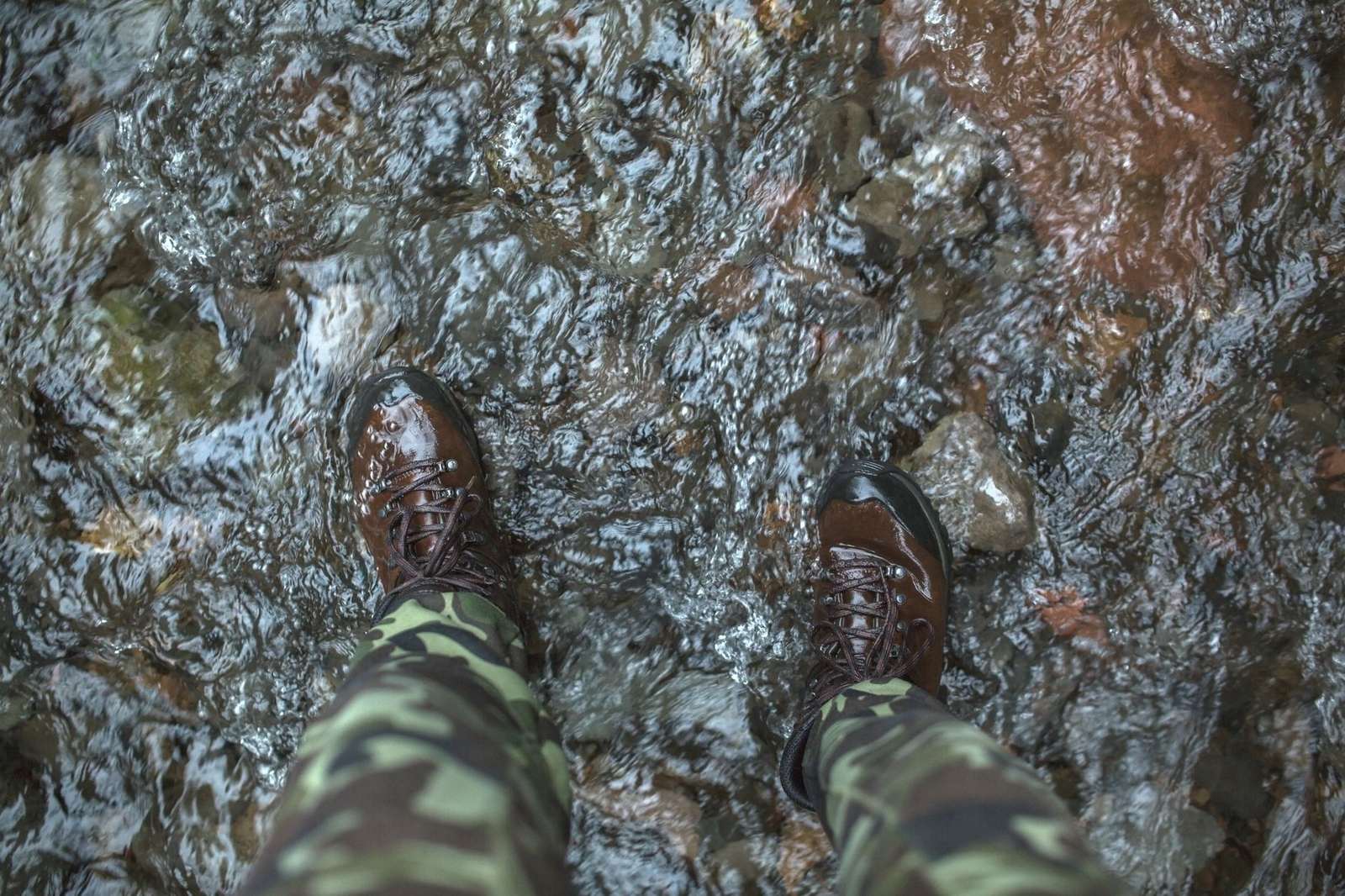
- Felt: grips slimy rock well, but wears out faster and dries slowly.
- Rubber: durable and easy to clean, with a tread that suits walking in to the river.
- Studs or cleats: add grip on moss and leaves, but can be harder to clean.
Why felt is restricted in some places
The worry is that felt holds water and organisms. Dick’s explains that because felt dries slower than rubber, boots can hold harmful bacteria or invasive species and carry them from one fishing location to the next.
The science behind some bans has been questioned. Vermont once banned felt, but Vermont Invasives reports that recent research refutes the idea that didymo, the alga called rock snot, was brought in by people, and felt was allowed again from July 1, 2016. Didymo is still treated as a concern elsewhere: Parks Canada’s Waterton Lakes page says felt-soled wading boots and other water gear are a common way for it to spread.
For Canadian anglers, national parks are where this matters most. As of Parks Canada’s Jasper bulletin, issued January 07, 2026, felt-soled wading boots are prohibited in all areas of Jasper National Park, to reduce the spread of aquatic invasive species, in particular whirling disease. The same bulletin says violators may be charged under the Canada National Parks Act, with a maximum penalty of $25 000. Yoho National Park issued a similar restricted activity order on April 01, 2017.
Rules vary by park, province and state, and they change. Check the regulations for every water you plan to fish before you buy, because a pair of felt boots may not be usable where you plan to go. Rubber soles avoid the question, although cleaning and drying your gear still matters.
How should wading boots fit?
Fit is where the advice splits. Dick’s says to look for one size larger than your normal hiking boots to make room for neoprene stockingfoot waders, potentially 1/2 size more if you plan to wear wading socks or wool socks in the colder months.
Orvis takes the opposite view: its guide says wading boots are sized to accommodate stockingfoot waders, so you should not need to size up. Sizing differs by maker, so the sensible approach is to use each brand’s own size chart and try boots on.
Orvis suggests trying boots on while wearing the socks and stockingfoot waders you plan to use with them. If you mostly wet-wade, wear the neoprene socks you’d use with the boots instead. Thick socks change the fit, so it helps to know how to layer clothing for outdoor activities before you try boots on.
When you try boots on, run through this checklist:
- Lace the boots all the way up, as Orvis advises.
- Check there is enough room to wiggle your toes and keep blood circulating.
- Make sure the ankle support is ample. Orvis says boots that fit right strengthen your ankle and reduce the risk of a sprain or twist.
- Look for a sturdy heel and padding around the collar, which Dick’s says help lower the risk of a rolled ankle.
Studs, materials and care
Studs are an add-on, not a separate boot type. Orvis says they can come pre-attached or be added after purchase, and Dick’s mentions slip-over wading cleats for anglers who need extra grip. Dick’s cautions that cleated boots might not suit muddy rivers because they can be troublesome to clean afterwards.
Materials matter for weight and drying. Dick’s says many wading boots now use synthetic leathers and microfibers that don’t absorb moisture, so you aren’t adding weight as you move downstream. It also says felt soles are less durable than rubber and can erode over time.
Better footwear helps, but it doesn’t make deep or fast water safe. Read up on river wading safety before you rely on any sole for grip.
A simple way to decide
- Check the rules for the waters you will fish, including any park orders.
- Choose rubber if you want one boot for varied rivers and longer walks. Consider felt only where it is allowed and you fish slick rock near the car.
- Decide whether you need studs, and whether you can live with the extra cleaning.
- Check the maker’s size chart, then try boots on with your actual socks and waders.
- Walk around in them, laced fully, before you commit.
Frequently asked questions
Are felt-soled wading boots banned in Canada?
Show answer
Not everywhere, but some national parks prohibit them. Parks Canada’s Jasper bulletin, issued January 07, 2026, prohibits them in all areas of that park. Check the park or province you will fish.
Should I buy wading boots a size bigger?
Show answer
Advice differs. Dick’s Sporting Goods suggests one size larger than your hiking boots, while Orvis says boots are sized for stockingfoot waders and you should not need to size up. Use the maker’s chart and try them on with your waders.
Are rubber soles as grippy as felt?
Show answer
Retailer guides describe felt as stronger on slimy rock. Rubber gives good traction in mud and suits longer walks, and studs can add grip to either sole.
Do rubber soles remove the need to clean my boots?
Show answer
No. Parks Canada’s Waterton Lakes page says to always clean, drain, dry and certify fishing gear, and felt is only one way invasive species spread.